Showing posts with label History of Korean. Show all posts
제18회 DMZ국제다큐멘터리영화제 개막···52개국 147편 상영, ‘평화는 침묵하지 않는다’-18th DMZ International Documentary Film Festival Opens···147 Films From 52 Countries Under ‘Peace Is Not Silent’

제18회 DMZ국제다큐멘터리영화제 개막···52개국 147편 상영, ‘평화는 침묵하지 않는다’-18th DMZ International Documentary Film Festival Opens···147 Films From 52 Countries Under ‘Peace Is Not Silent’


제18회 DMZ국제다큐멘터리영화제(DMZ Docs) 가 10일부터 16일까지 경기도 파주와 고양 일대 영화관에서 열린다.

This year's DMZ International Documentary Film Festival (DMZ Docs) runs from Sept. 10-16 at movie theaters in and around the Gyeonggi-do Province cities of Paju and Goyang.

지난 2009년 시작된 DMZ Docs는 분단과 분쟁의 현장을 소통의 장으로 바꾸며, 영화를 매개로 평화·화해·공존의 가치를 세상에 알리는 데 주력해 왔다.

Launched in 2009, DMZ Docs has transformed the site of national division and conflict into a space for dialogue, promoting through cinema the values of peace, reconciliation and coexistence to the world.

올해는 '평화는 침묵하지 않는다'는 슬로건으로 52개국 147편의 다큐멘터리 영화를 소개한다. 상영작은 국제경쟁과 프런티어 등 해외 경쟁 부문과 한국 경쟁, '베리테', '다큐 픽션', '에세이', '익스팬디드' 등 비경쟁 부문으로 나눠 관객을 만난다.

Under the slogan "Peace Is Not Silent," this year's festival is screening 147 documentaries from 52 countries. The works are divided into sections including International Competition and Frontier, Korean Competition, and the non-competitive Verite, Docufiction, Essay and Expanded.

영화제 공식 홍보영상(트레일러) 연출을 맡은 이명세 감독은 지난달 18일 서울 중구 충무아트센터에서 열린 기자회견에서 "트레일러가 다소 어둡게 느껴질 수도 있지만, 아직은 우리가 깨어 있어야 할 때가 아닌가라는 질문을 던지고 싶었다"며 화두를 제시했다.

Director Lee Myung-se, who directed the festival's official trailer, told a news conference on Aug. 18 at Chungmu Arts Center in Seoul's Jung-gu District, "The trailer might feel somewhat dark, but I wanted to raise this question: Isn't now the time for us to remain vigilant?"

개막작은 황윤 감독의 '하제'가 선정됐다. Hwang Yun's work "Haje" is the festival's opening film.

새만금 간척과 미군기지 확장으로 전북 군산의 작은 어촌 마을 하제에 살았던 주민들이 퇴거를 당하는 과정을 8년 동안 기록하면서 생명과 평화, 돌봄의 가치를 조명한다.

Over the course of eight years, the documentary follows the residents of Haje, a small fishing village in Gunsan, Jeollabuk-do Province, who were evicted due to the Saemangeum reclamation project and the expansion of a U.S. military base. The work explores the values of life, peace and care.

황 감독은 "아는 사람이 몇 명이나 될까 싶을 정도의 소외된 마을이 언론에서 주목받지 못하면서 우리나라 지도에서 사라지고, 역사 속에서 사라지고 있다는 것을 알게 됐다"며 "군산에서 사는 다큐멘터리 감독으로서 이 마을을 도저히 외면하거나 간과할 수 없다는 생각이 들었다"고 연출 배경을 설명했다.

"I realized that this marginalized village, so remote that I wondered how many people even knew it existed, was disappearing from our country's map and history because it received no media attention," Hwang said on the background of the film. "As a documentary director living in Gunsan, I felt I couldn't simply turn away from or overlook this village."

폐막작은 프랑스 크리스토프 디미트리 레베유 감독의 '체 게바라: 마지막 동지들'이다. Closing the festival is French director Christophe Dimitri Reveille's "Che Guevara: The Last Companions."

체 게바라의 게릴라 부대 대원들을 추적하고 기록한 작품이다. The documentary follows and records members of the Cuban revolutionary leader's guerrilla unit.

오동진 집행위원장은 "체 게바라는 우리 시대에 다시 한번 소개해야 할 정치적 인물이라고 생각해 과감하게 폐막작으로 선정했다"며 "올해 영화제에는 진보적인 목소리를 많이 담아냈다"고 전했다.

"I believe Che Guevara is a political figure who deserves a reintroduction to our times, so we boldly selected this film as the closing work," said Oh Dong Jin, the event's director and chair of the executive committee. "This year's DMZ Docs features many progressive voices."

풍성한 특별 기획전도 눈길을 끈다. The festival boasts a rich lineup of programs.

팔레스타인 출신 카말 알자파리 감독이 20여년 간 연출한 작품 13편을 조명하는 기획전을 비롯해 인간과 자연의 관계를 질문하는 에코다큐멘터리 15편이 상영된다.

One highlights 13 films directed over the past two decades by Palestinian filmmaker Kamal Aljafari, while another screens 15 eco-documentaries exploring the relationship between humans and nature.

한불 수교 140주년을 기념해 사라져가는 인간의 얼굴과 노동에 주목해 온 프랑스 레이몽 드파르동 감독의 영화10편도 소개된다.

To mark the 140th anniversary of bilateral relations between Korea and France, 10 films by French director Raymond Depardon will be screened. His works have emphasized human faces, labor and vanishing rural life.

한편 영화제 기간 동안 'DMZ Docs 포럼'에서는 한국 다큐멘터리의 미래 전략과 정치적 다큐멘터리, 문화 보이콧의 딜레마 등을 주제로 토론이 펼쳐진다.

The DMZ Docs Forum will discuss topics including future strategies for domestic and political documentaries and the dilemmas surrounding cultural boycotts.


서울 = 샤를 오두앙 기자 caudouin@korea.kr
By Charles Audouin, caudouin@korea.kr
영상 = DMZ국제다큐멘터리영화제 공식 유튜브 채널
Video = Festival's official YouTube channel

일본 시즈오카현 고분군서 백제계 금동 허리띠 장식 첫 출토 - Discovery of Baekje artifacts in Japan indicate ancient links

일본 시즈오카현 고분군서 백제계 금동 허리띠 장식 첫 출토 - Discovery of Baekje artifacts in Japan indicate ancient links

 ▲ 일본 시즈오카현 후지시 스즈 센닌즈카 고분에서 출토된 백제계 금동 허리띠 장식 3점. Three gilt-bronze belt ornaments in the artistic style of the ancient Baekje Kingdom (18 B.C.- A.D. 660) have been discovered in the Suzu Senninzuka Tumulus in Fuji, a city in Shizuoka Prefecture, Japan. (Fuji - 후지시)

일본 시즈오카현 고분군에서 백제 계통의 금동 허리띠 장식이 최초로 출토됐다. Gilt-bronze belt ornaments from the ancient Baekje Kingdom (18 B.C.- A.D. 660) have been discovered at a burial mound complex in Shizuoka Prefecture, Japan.

일본 시즈오카현 후지시가 시에 위치한 스즈 센닌즈카 고분에서 출토된 백제 관련 금동 허리띠 장식 3점의 보존 처리를 완료했다고 7일 발표했다. 지난 2024년 발굴된 이 유물들은 6세기 후반∼7세기 전반 한반도 백제에 뿌리를 둔 최고급 장식품으로 확인됐다.

Fuji, a city in the prefecture, on May 7 announced completed conservation treatment for three such ornaments related to Baekje after they were unearthed at the burial mound Suzu Senninzuka Kofun. Discovered there in 2024, the artifacts were confirmed as high-quality ornaments from Baekje dating back to the late sixth to early seventh centuries.

출토된 유물은 허리띠 끝에 붙이는 금구 장식 1점과 원형 고리가 달린 장식판 2점이다. 모두 구리에 금을 정교하게 입힌 금동제다. 특히 띠 끝 장식에는 봉황과 용 등의 모습이 정교하게 새겨져 당시 백제 예술의 정수를 보여준다.

The artifacts discovered comprised one gold ornament attached to the end of a belt and two decorative plates with circular rings all made of gilded bronze, with intricate gold plating over copper. The belt end ornament had delicately engraved images of phoenixes and dragons, showing the essence of Baekje art over the period.

일본 내에서 백제계 띠 금구가 이처럼 양호한 상태로 발견된 것은 처음이다. 고대 한반도와 일본 열도 지배층 사이의 교류를 보여주는 귀중한 자료라는 평가가 나온다.

As the first Baekje-style gold belt ornaments found in good condition in Japan, these valuable artifacts are proof of exchanges between the ruling classes of the ancient Korean Peninsula and the Japanese archipelago.

유연경 기자 dusrud21@korea.kr
By Yoo Yeon Gyeong, dusrud21@korea.kr

외교부, 1945년 침몰 '우키시마' 호 승선자 명부 일부 입수 - Part of passenger list for ill-fated Japanese ship secured

외교부, 1945년 침몰 '우키시마' 호 승선자 명부 일부 입수 - Part of passenger list for ill-fated Japanese ship secured

 ▲ 일본 해군 수송선인 우키시마호는 1945년 8월 22일 아오모리현 오미나토항에서 강제징용 피해자 등 수천 명을 태우고 부산으로 출발했으나, 이틀 후 의문의 폭발로 침몰했다. 사진은 우키시마호의 모습. The Ukishima Maru, a Japanese naval transport vessel, on Aug. 22, 1945, departed for Busan from the port of Ominato in Japan's Aomori Prefecture with Korean victims of forced labor. An explosion occurred two days later in the hull under mysterious circumstances, sinking the ship. (Yonhap News - 연합뉴스)

외교부가 우키시마호 승선자 명부 일부를 침몰 79년 만에 입수했다. The Ministry of Foreign Affairs after 79 years has obtained part of the passenger list for a Japanese naval transport vessel that sank in 1945 after an explosion in the hull.

외교부는 일본 정부와 교섭을 통해 5일 승선자 명부 일부를 제공받았다고 이날 밝혔다. 일본 후생노동성은 우키시마호 관련 명부 75건 중 내부 조사를 마친 19건을 주일한국대사관에 전달했다.

The Ministry of Foreign Affairs on Sept. 5 said it received such information on the ill-fated Ukishima Maru after negotiations with the Japanese government. Japan's Ministry of Health, Labor and Welfare delivered 19 of 75 documents related to the vessel after an internal investigation to the Korean Embassy in Tokyo.

일본 해군 수송선인 우키시마호는 1945년 8월 22일 아오모리현 오미나토항에서 강제징용 피해자 등 수천 명을 태우고 부산으로 출발했다. 하지만 이틀 후 의문의 폭발로 침몰했다.

The vessel on Aug. 22, 1945, left for Busan from the port of Ominato in Japan's Aomori Prefecture carrying Korean victims of forced labor. The hull saw an explosion two days later under unexplained circumstances.

외교부는 "명부에는 희생자들의 개인정보가 많이 포함돼 있다" 며 "우키시마호 사건의 피해자 구제와 진상 파악 등이 원활히 이루어질 수 있도록 계속 노력해 나갈 것"이라고 밝혔다.

"The list contains a lot of personal information on the victims," the ministry said. "We will continue efforts to ensure that the victims of the Ukishima Maru incident are saved and smoothly uncover the truth."

한편 기시다 후미오 일본 총리는 6일부터 1박 2일 일정으로 방한을 앞두고 있다. Japanese Prime Minister Fumio Kishida on Sept. 6 will arrive in Korea for a two-day visit.

고현정 기자 hjkoh@korea.kr
By Koh Hyunjeong, hjkoh@korea.kr

조화로운 도시 전주 Jeonju – Harmony of Past and Present

조화로운 도시 전주 Jeonju – Harmony of Past and Present

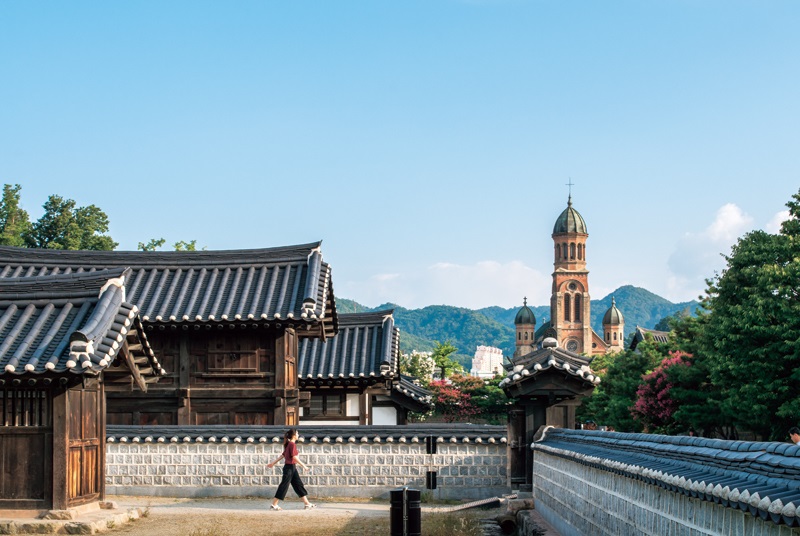
한국인에게 가장 전통이 잘 보존된 도시가 어디냐 물어본다면 전북 전주(全州)라 답하는 이들이 적지 않을 것이다. 그도 그럴 것이 한국 특유의 목조건물인 한옥(韓屋)이 유독 많은 도시가 전주다. 하지만 전주는 과거 전통에만 안주하는 도시가 아니다. 잘 보존한 과거 위에 다양한 문화와 혁신을 고루 섞어 비빔밥처럼 잘 비벼진 조화로운 도시다.

When asked which city best preserves their country’s traditions, Koreans often pick Jeonju, a city in North Jeolla Province that boasts many hanok, traditional Korean wooden houses. Much like its eclectic versions of bibimbap, Jeonju offers a delightfully harmonious mix of the well-preserved past and modern culture and innovation.

Jeonju, South Korea - August 3 2017: Jeonju Hanok Village and Jeondong Catholic Church. The village containing over 800 Korean traditional houses famous among Koreans and tourists. ⓒ 셔터스톡 - Shutterstock

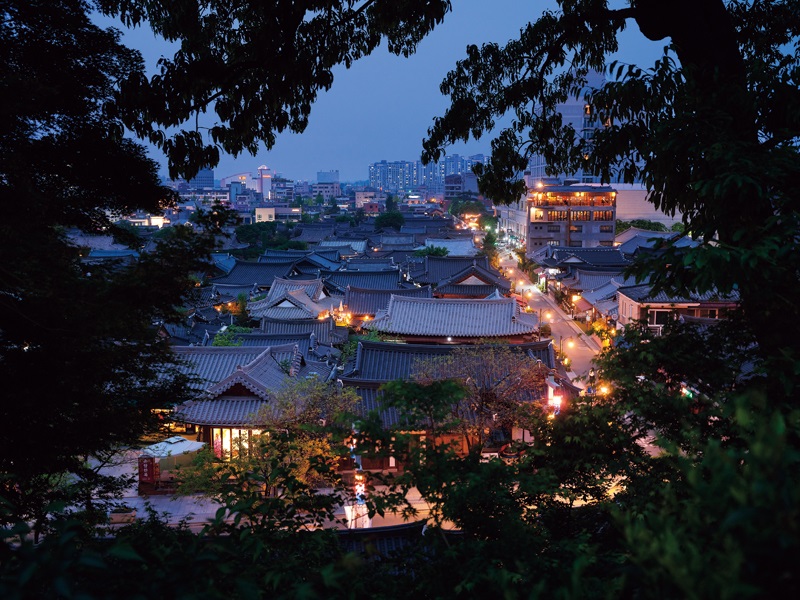
전주한옥마을 여행의 출발점으로 삼을 만한 곳 중 하난 오목대(梧木臺)다. 야트막한 언덕을 오르면 평평한 대지 위에 정자가 자리 잡고 있다. 전주한옥마을을 한눈에 조망하기에 더없이 훌륭한, 아니 유일한 장소라 할 수 있다. 약 30만 제곱미터에 무려 700채가 넘는 한옥들이 군락을 이루고 있다. 전주가 국내 최대 규모의 전통 한옥마을로 손꼽히는 까닭이다. 촘촘히 박혀 있는 기와지붕들은 마치 검푸른 파도가 밀려오는 듯한 착각마저 들게 한다.

Jeonju’s hanok village is the largest by size in Korea, with more than 700 traditional houses preserved in an area spanning 300,000 square meters. A great place to start a tour is Omokdae, a pavilion atop a steep hill that offers a panoramic view of the entire hanok village. The densely packed tiled roofs give the illusion of surging dark blue waves.

조선왕조의 시작 - DAWN OF THE JOSEON DYNASTY

오목대가 전망대 구실만 하는 것은 아니다. 정자 안에 들어가면 현판들이 걸려 있는데, 그 중< 대풍가(大風歌) >에 그 비밀이 숨겨져 있다.

Yi’s choice of poem has sparked speculation that he effectively revealed his ambition to overthrow the old dynasty and establish a new one, which he would realize around a decade later. His recital at Omokdae can thus be seen as a harbinger of the 472-year-long Joseon Dynasty.

大風起兮雲飛揚 큰바람 일자 구름이 흩날리네. A strong wind scatters the clouds.

威加海內兮歸故鄉 온 천하에 위풍을 떨치고 고향으로 돌아왔노라. I have returned home in glory after a triumphant victory.

安得猛士兮守四方 어떻게 용사를 구해 천하를 지키랴! How can we find warriors to defend our country!

오목대 < 대풍가 >의 주인공은 1392년 조선(朝鮮)을 건국한 태조(太祖) 이성계(李成桂 재위 1392∼1398)다. 고려(高麗) 말 장수였던 그가 왜적의 침입을 물리치고 상경하는 길에 전주에 들러 불렀다는 것이다. 훗날 사람들이 이성계가 전주 오목대에 이르러 옛 왕조를 무너뜨리고 새 왕조를 새로 세울 조짐을 드러냈다고 평가하는 이유다. 즉 조선왕조의 시작점이 전주였다는 것이다.

Omokdae also holds historical significance. Before Yi Seong-gye became the founding king of the Joseon Dynasty (as King Taejo, r. 1392–1398), he served as a general during the late Goryeo period. In September of 1380, despite being heavily outnumbered, Yi led his troops to a decisive victory against waegu, pirates from Japan whose raids had plagued the Korean peninsula. Before his triumphant return to Seoul, he stopped by Jeonju, the ancestral home of his clan, for a celebratory feast, during which he is said to have sung the poem “Song of the Great Wind,” now written on one of the plaques inside the pavilion.

전주 한옥마을은 서울 북촌한옥마을과 함께 대표적인 한옥보존지구이다. 오목대에서 한옥마을을내려다보면 빼곡한 기와지붕이 마치 검푸른 파도가 밀려오는 듯한 모습이다. Along with Bukchon Hanok Village in Seoul, Jeonju Hanok Village is an important area preserving traditional Korean houses. When looking down from Omokdae, its densely packed tiled roofs give the illusion of surging waves.

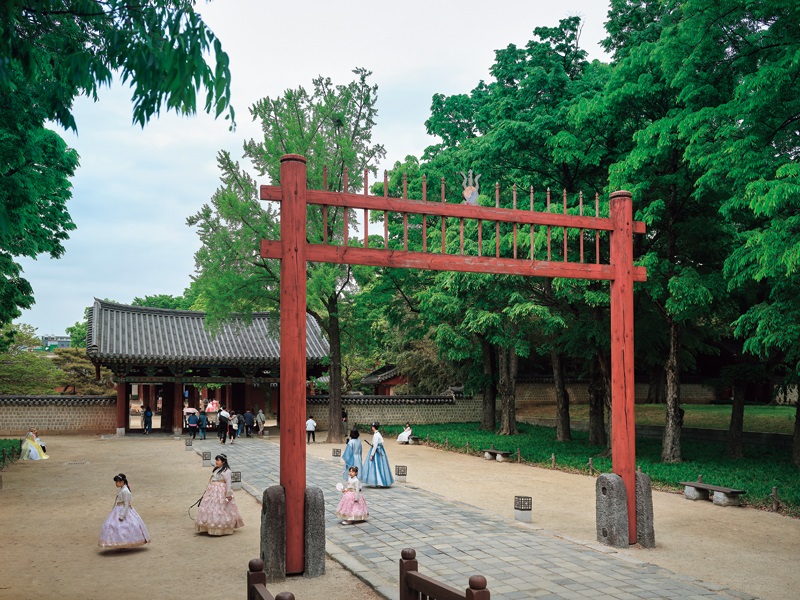
조선왕조와 전주의 연결고리는 오목대만이 아니다. 한옥마을 남쪽 끝에는 경기전(慶基殿)이 있다. 이때 경기는 경사스러운(慶) 터전(基)이라는 뜻으로, ‘조선왕조가 시작된 곳’이라는 뜻을 내포하고 있다. 즉 조선 개국 직후 이성계의 아들인 태종(太宗) 이방원(李芳遠 재위 1400∼1418)이 전주이씨(全州李氏) 가문의 본향(本鄕)인 전주를 비롯해 평양(平壤)과 개성(開城), 경주(慶州), 영흥(永興) 등 주요 도시에 아버지의 어진(御眞)을 모시는 건물을 지었다. 그중 전주에 세운 것이 경기전이다.

The pavilion is not the only link between Joseon and Jeonju. At the southern end of the hanok village is Gyeonggijeon. The shrine’s name is derived from gyeonggi, which means “auspicious site.” Yi Seong-gye’s son and second successor, Yi Bang-won (King Taejong, r. 1400–1418), built places to enshrine his father’s portrait in Jeonju and other major cities, including Pyongyang, Kaesong, Yonghung, and Gyeongju.

한복을 입고 경기전(慶基殿)을 산책 관람 중인 시민들. 경기전은 경기는 경사스러운(慶) 터전(基)이라는 뜻으로, 조선 왕조의 뿌리를 재확인하는 기념 장소 역할을 했다. Visitors donned in traditional Korean clothes at Gyeonggijeon, a shrine reaffirming the roots of the Joseon Dynasty; gyeonggi means “auspicious site.”

공간은 크게 세 영역으로 구성되어 있다. 정전(正殿)은 태조의 어진을 모셨던 곳으로, 경기전의 중심 영역이다. 현재 정전에 있는 어진은 모사본(模寫本)이고, 원본(原本)은 정전 뒤 어진박물관에 수장돼 있다. 정전 북쪽에 있는 조경묘(肇慶廟)는 태조의 22대조이자 가문의 시조인 이한(李翰) 부부의 위패를 봉안하려고 지은 건물이다. 그리고 그사이에 사고(史庫)가 있다. 『조선왕조실록(朝鮮王朝實錄)』이라는, 조선 건국 이래 자그마치 472년 동안의 역사를 매일 같이 수록한 책을 보관하기 위해 지은 건물이다. 한 왕조의 역사적 기록 중 세계에서 가장 긴 시간에 걸쳐 작성된 기록물로서, 왕조 시절의 원본이 그대로 남아 있는 세계 유일 사례다. 대한민국 국보이자 유네스코 세계기록유산이다.

Gyeonggijeon is divided into three sections. Jeongjeon is the main hall where a replica of Taejo’s portrait is enshrined. The original is stored in the Royal Portrait Museum behind the hall. Jogyeongmyo, the second section, is an ancestral shrine to the north of Jeongjeon, which was built to enshrine the memorial tablets of Yi Han and his wife. Yi was the founding father of the Jeonju Yi clan and progenitor of Taejo 22 generations back. The third section, the historical archive built to house the Annals of the Joseon Dynasty, lies between the two structures. The Annals contain daily accounts of the dynasty since its founding and constitute the longest historical record of any single dynasty in the world and the only case in which the original volumes remain intact. They have been designated as a national treasure of Korea and are inscribed in the UNESCO Memory of the World Register.

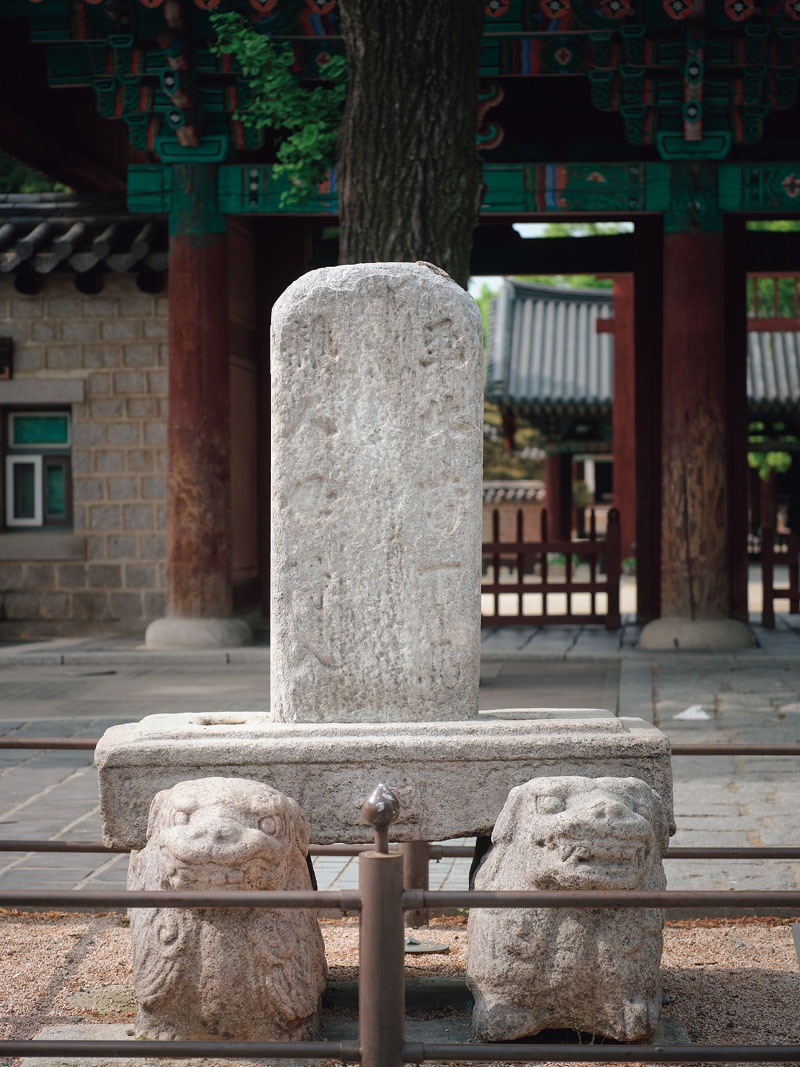
언뜻 비장해 보이는 공간이지만, ‘하마비(下馬碑)’와 ‘드므(순우리말. ‘頭毛’라 음차하기도 한다)’에서는 옛사람들의 위트가 엿보인다. 하마비는 ‘지위 고하를 막론하고 여기서부터는 하마, 즉 모두 말에서 내려 지나가라’라는 뜻에서 세운 비다. 경기전 정문 앞에 놓여 있는데, 비를 받치고 있는 두 마리의 사자(獅子) 또는 해치(獬豸) 모습에서 엄숙함보다 조선 석물 특유의 익살스러움이 묻어난다. 정전 뜰에 놓여있는 6개의 드므는 방화수를 담아뒀던 수조들이다. 행여 화마(火魔)가 건물 가까이 오더라도 물 표면에 반사된 자신의 흉측함에 놀라 도망가길 원하는 바람이 녹아 있다.

In front of the entrance to Gyeonggijeon is a stele that marks the spot where everyone, regardless of status, had to dismount from their horse. Propping it up are two stone statues of haechi, a legendary creature resembling a lion, that look playful rather than stern, as is characteristic of Joseon stone sculptures. Six large cast iron cauldrons in the courtyard of Jeongjeon held water to extinguish fires. They were also meant to repel fire demons, hoping they would be startled at the sight of their ghastly reflections in the water and flee. In an otherwise solemn space, these whimsical elements are evidence of the wit of Joseon-era Koreans.

누구든 말에서 내려야 한다는 문구가 적혀있는 하마비 (下馬碑). A stele in front of the entrance to Gyeonggijeon marks the spot where everyone, regardless of status, had to dismount from their horse.

뿐만 아니라 500년에 가까운 조선왕조 내내 지금의 전북과 전남, 그리고 제주도 일대를 총괄하던 행정 관청이었던 전라감영(全羅監營), 전주부성(全州府城) 시설물 가운데 유일하게 남아 있는 풍남문(豐南門) 등은 오목대와 경기전, 그리고 한옥마을과 함께 전주의 역사와 전통, 나아가 위상을 상징하는 문화유산들이다.

Along with Omokdae, Gyeonggijeon, and the hanok village, other sites also reflect the history, tradition, and stature of Jeonju. These include Jeolla Gamyeong, the provincial governor’s office that oversaw the affairs of the present-day North and South Jeolla provinces as well as Jeju Island during the Joseon Dynasty, and Pungnammun, the south gate and only remnant of Jeonju Fortress that once encircled the city.

79주년 광복절 맞아 떠나는 역사 여행지 4곳 - 4 landmarks in Korea to visit to mark 79th Liberation Day

79주년 광복절 맞아 떠나는 역사 여행지 4곳 - 4 landmarks in Korea to visit to mark 79th Liberation Day

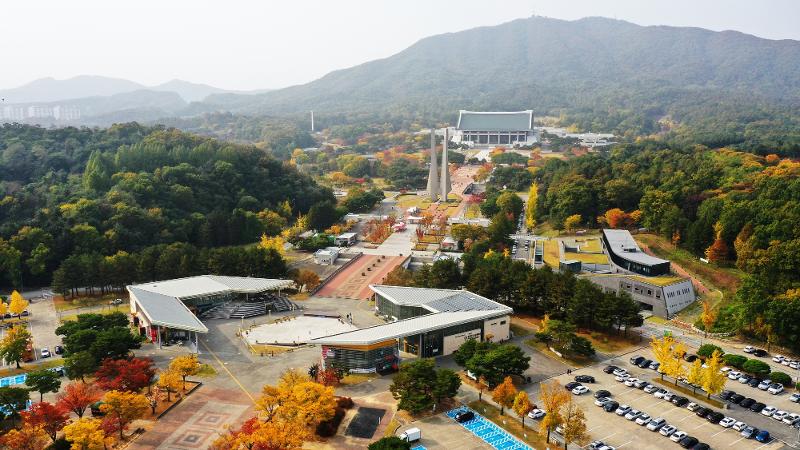
 ▲ 충남 천안시에 있는 독립기념관. The Independence Hall of Korea is located in Cheonan, Chungcheongnam-do Province. (Independence Hall of Korea - 독립기념관)

1945년 8월 15일. 대한민국이 '빛을 되찾은 날'이다. 35년간의 일본 제국주의 압제로부터 주권을 되찾고 자주독립국으로서 광복(光復)을 맞이한 날이다. Aug. 15 is Liberation Day, or Gwangbokjeol in Korean, a term that literally means "Recovery of Light Day." Korea on that fateful day in 1945 regained sovereignty from imperial Japan after 35 years of colonial rule to "regain light" as an independent nation.

광복절은 3·1절, 제헌절, 개천절, 한글날과 함께 한국의 5대 국경일이다. 광복절을 국경일로 기념하는 것은 대한민국의 독립이 외세에 의존한 독립이 아닌 자주적으로 일궈낸 독립이고, 끈질기게 싸워온 투쟁의 역사이기 때문이다.

Liberation Day is one of the country's five national holidays of Korea along with March First Independence Movement Day (March 1), Constitution Day (July 17), National Foundation Day (Oct. 3) and Hangeul Day (Oct. 9).

Liberation Day was designated a holiday because independence was achieved autonomously without reliance on foreign powers, stressing the country's history of tenacious struggle for self-determination.

코리아넷이 광복 79주년 광복절에 가볼 만한 역사 여행지 4곳을 국가보훈부 추천을 받아 소개한다. 독립운동가의 숭고한 헌신을 마음에 새기고 대한민국 자주독립의 역사를 기억하기 위한 시간여행을 떠나보자.

Based on recommendations from the Ministry of Patriots and Veterans Affairs, Korea.net presents the following four landmarks to visit to commemorate the 79th Liberation Day. Each venue is like going back in time to remember the noble dedications of independence activists and the history of national independence.

국립대한민국임시정부기념관 - National Memorial of Korean Provisional Government

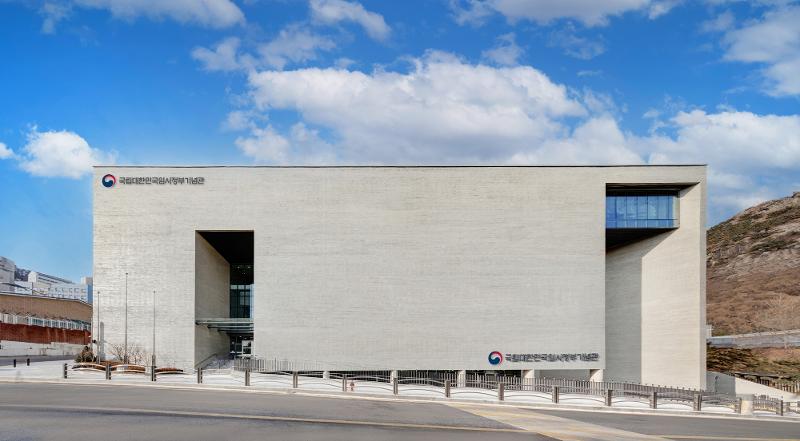
▲ 서울 서대문구에 위치한 국립대한민국임시정부기념관. The National Memorial of the Korean Provisional Government is located in Seoul's Seodaemun-gu District. 국립대한민국임시정부기념관 ▲ 서울 서대문구에 위치한 국립대한민국임시정부기념관. The National Memorial of the Korean Provisional Government is located in Seoul's Seodaemun-gu District. 국립대한민국임시정부기념관

1919년 설립된 대한민국임시정부의 역사를 배울 수 있는 곳이다. 파리강화회의에 제출한 독립요구서, 광복군가집, 광복군 군복 등을 전시 중이다.

This memorial preserves the history of Korean Provisional Government (KPG), which was launched in 1919, displaying the government's request for liberation submitted to the Paris Peace Conference, written songs of the Korean Liberation Army and the latter's uniforms.

광복절 기념 문화 행사 '문화독립만세'(~9.1)와 특별전시 ‘꿈갓흔 옛날 피압흔 니야기’(~9.1)가 열리고 있다.

The commemorative program "Culture Independence Manse (Hurrah)" and the exhibition "Memoir about the Korean Provisional Government: Old Days like a Dream, Heart-Wrenching Stories" will both run through Sept. 1.

‘임시정부, 문화 독립운동을 펼치다’를 주제로 한 체험존과 거리 공연(버스킹), ‘임시정부 요인들의 음식 체험’ 프로그램 등을 즐길 수 있다.

Also offered are interactive zones and busking performances under the theme "The Korean Provisional Government Spreads the Cultural Independence Movement," as well as a class on making the food of KPG officials.

독립기념관 - Independence Hall of Korea

▲ 충남 천안시에 있는 독립기념관 전경. The Independence Hall of Korea is in Cheonan, Chungcheongnam-do Province. (Independence Hall of Korea - 독립기념관)

독립운동 자료의 수집·분석·관리, 학술연구, 전시 및 교육 등으로 독립운동의 가치를 알리고 나라를 위해 희생한 분들을 추모하는 기념관이다.

This venue promotes the value of the independence movement through the collection, analysis and management of relevant data, academic research, exhibitions and education to honor those who sacrificed themselves for the country.

독립기념관의 상징적인 건축물인 '겨레의 집' 뒤로는 6개의 상설전시관, 특별기획전시실, 함께하는독립운동(체험관), MR독립영상관 등이 있다. 자주와 독립을 지켜온 우리 민족의 국난극복사와 국가발전사를 살펴볼 수 있다.

Behind the Grand Hall of the Nation, a symbolic building at Independence Hall, are six permanent exhibition halls, one for special exhibitions, interactive program center and video room using mixed reality to publicize the movement.

Visitors can learn about the Korean people's history of surmounting crises by overcoming foreign invasions and maintaining autonomy and independence and the story of national development.

이번 광복절을 계기로 블랙이글스 에어쇼를 비롯한 ‘기억사무소’ 전시관 자율 체험, C-47 수송 비행기 탑승 등 다양한 기념행사와 체험행사를 펼친다.

Commemorative and interactive events to mark Liberation Day include an air show by the Republic of Korea Air Force's aerobatic team Black Eagles, solving quizzes at Remembrance Office and riding a C-47 transport airplane.

군산 3·1운동100주년기념관 - Memorial Hall for the 100th anniversary of March First Independence Movement in Gunsan

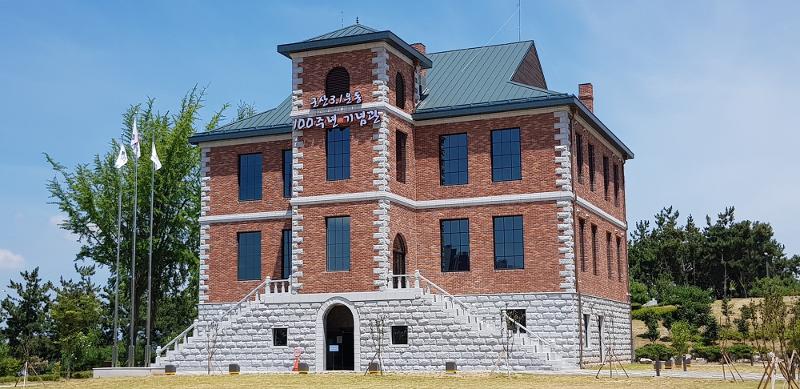
▲ 전북 군산시에 있는 군산 3·1운동100주년기념관. The Gunsan Modern History Museum is based in Gunsan, Jeollabuk-do Province. (Gunsan Modern History Museum)

군산은 한강 이남에서 최초로 3·1 만세 운동이 일어난 지역이다. 영명학교와 예수병원, 구암교회 등이 주축이 돼 만세운동을 일으켰다. 전국으로 만세운동을 전파하는 도화선이 됐다.

Gunsan, Jeollabuk-do Province, is where the March First Independence Movement started south of the Hangang River in Seoul. Yeongmyeong School, Jesus Hospital and Guam Church played key roles in the campaign and lit the fuse to ignite the spread of freedom fever nationwide.

3·1운동 100주년 기념관은 군산 독립만세운동의 역사성을 널리 알리고, 나라를 위해 목숨을 바친 독립운동가들의 고귀한 정신을 계승하기 위해 건립됐다.

The Memorial Hall for the 100th anniversary of March First Independence Movement in Gunsan seeks to promote the city's historical role in the movement and pass on the lofty spirit of independence activists who gave their lives for the nation.

군산 3·1운동 100주년 기념관의 외형은 100년 전 영명학교를 그대로 재현했다. 전시관에선 군산 만세운동 관련 유물을 관람할 수 있다. The museum's exterior is a replica of Yeongmyeong School from 100 years ago, and relics related to pro-independence activities that took place in the city are displayed.

경상북도독립운동기념관 - Gyeongsangbuk-do Independence Movement Memorial

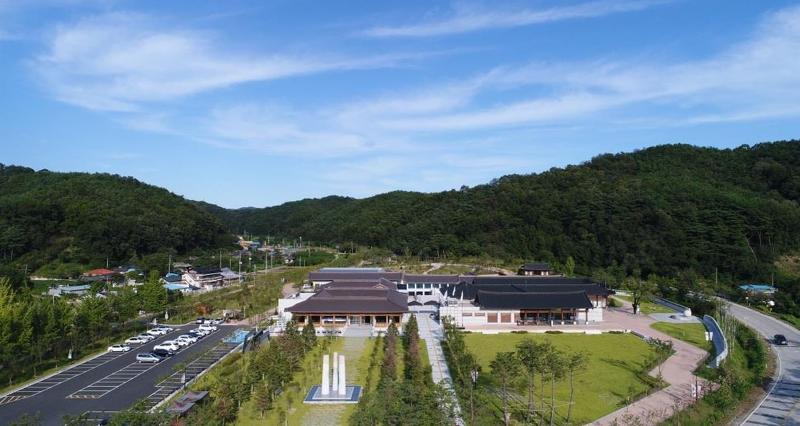
▲ 경북 안동시에 있는 경상북도독립운동기념관. The Gyeongsangbuk-do Independence Movement Memorial is in Andong, Gyeongsangbuk-do Province. (Gyeongsangbuk-do Independence Movement Memorial - 경상북도독립운동기념관)

경상북도는 항일 독립운동의 발상지로 전국에서 가장 많은 독립유공자와 자정순국자를 배출했다. 자정순국(自靖殉國)은 스스로 목숨을 끊어 일제에 저항했던 항일운동이다.

The term jajeongsunguk refers to someone who died by suicide to protest Korea's occupation by imperial Japan. Gyeongsangbuk-do Province is considered the birthplace of the movement with the highest number of independence patriots and martyrs who used their deaths to promote liberation.

경상북도독립운동기념관은 독립운동가들의 애국정신을 계승하고 국민들의 올바른 국가관 정립에 이바지 하기 위해 설립됐다. 경북의 독립운동사 자료를 수집·조사, 연구, 전시, 교육하는 이유다.

The purpose of this memorial is to pass on the patriotic spirit of independence activists and instill in the public the proper national view through the collection, investigation, research, exhibition and education about resources pertinent to Gyeongsangbuk-do's role in the movement.

독립관, 의열관 등의 전시관과 신흥무관학교 독립전쟁 체험장 등을 갖췄다. Its exhibition halls include Independence Hall and Uiyeol Hall and an interactive zone features battles by freedom fighters trained at Shinheung Military Academy.

유연경 기자 dusrud21@korea.kr
By Yoo Yeon Gyeong, dusrud21@korea.kr
Photos = Ministry of Patriots and Veterans Affairs