Showing posts with label History of Korean. Show all posts
외교부, 1945년 침몰 '우키시마' 호 승선자 명부 일부 입수 - Part of passenger list for ill-fated Japanese ship secured

외교부, 1945년 침몰 '우키시마' 호 승선자 명부 일부 입수 - Part of passenger list for ill-fated Japanese ship secured

 ▲ 일본 해군 수송선인 우키시마호는 1945년 8월 22일 아오모리현 오미나토항에서 강제징용 피해자 등 수천 명을 태우고 부산으로 출발했으나, 이틀 후 의문의 폭발로 침몰했다. 사진은 우키시마호의 모습. The Ukishima Maru, a Japanese naval transport vessel, on Aug. 22, 1945, departed for Busan from the port of Ominato in Japan's Aomori Prefecture with Korean victims of forced labor. An explosion occurred two days later in the hull under mysterious circumstances, sinking the ship. (Yonhap News - 연합뉴스)

외교부가 우키시마호 승선자 명부 일부를 침몰 79년 만에 입수했다. The Ministry of Foreign Affairs after 79 years has obtained part of the passenger list for a Japanese naval transport vessel that sank in 1945 after an explosion in the hull.

외교부는 일본 정부와 교섭을 통해 5일 승선자 명부 일부를 제공받았다고 이날 밝혔다. 일본 후생노동성은 우키시마호 관련 명부 75건 중 내부 조사를 마친 19건을 주일한국대사관에 전달했다.

The Ministry of Foreign Affairs on Sept. 5 said it received such information on the ill-fated Ukishima Maru after negotiations with the Japanese government. Japan's Ministry of Health, Labor and Welfare delivered 19 of 75 documents related to the vessel after an internal investigation to the Korean Embassy in Tokyo.

일본 해군 수송선인 우키시마호는 1945년 8월 22일 아오모리현 오미나토항에서 강제징용 피해자 등 수천 명을 태우고 부산으로 출발했다. 하지만 이틀 후 의문의 폭발로 침몰했다.

The vessel on Aug. 22, 1945, left for Busan from the port of Ominato in Japan's Aomori Prefecture carrying Korean victims of forced labor. The hull saw an explosion two days later under unexplained circumstances.

외교부는 "명부에는 희생자들의 개인정보가 많이 포함돼 있다" 며 "우키시마호 사건의 피해자 구제와 진상 파악 등이 원활히 이루어질 수 있도록 계속 노력해 나갈 것"이라고 밝혔다.

"The list contains a lot of personal information on the victims," the ministry said. "We will continue efforts to ensure that the victims of the Ukishima Maru incident are saved and smoothly uncover the truth."

한편 기시다 후미오 일본 총리는 6일부터 1박 2일 일정으로 방한을 앞두고 있다. Japanese Prime Minister Fumio Kishida on Sept. 6 will arrive in Korea for a two-day visit.

고현정 기자 hjkoh@korea.kr
By Koh Hyunjeong, hjkoh@korea.kr

조화로운 도시 전주 Jeonju – Harmony of Past and Present

조화로운 도시 전주 Jeonju – Harmony of Past and Present

한국인에게 가장 전통이 잘 보존된 도시가 어디냐 물어본다면 전북 전주(全州)라 답하는 이들이 적지 않을 것이다. 그도 그럴 것이 한국 특유의 목조건물인 한옥(韓屋)이 유독 많은 도시가 전주다. 하지만 전주는 과거 전통에만 안주하는 도시가 아니다. 잘 보존한 과거 위에 다양한 문화와 혁신을 고루 섞어 비빔밥처럼 잘 비벼진 조화로운 도시다.

When asked which city best preserves their country’s traditions, Koreans often pick Jeonju, a city in North Jeolla Province that boasts many hanok, traditional Korean wooden houses. Much like its eclectic versions of bibimbap, Jeonju offers a delightfully harmonious mix of the well-preserved past and modern culture and innovation.

Jeonju, South Korea - August 3 2017: Jeonju Hanok Village and Jeondong Catholic Church. The village containing over 800 Korean traditional houses famous among Koreans and tourists. ⓒ 셔터스톡 - Shutterstock

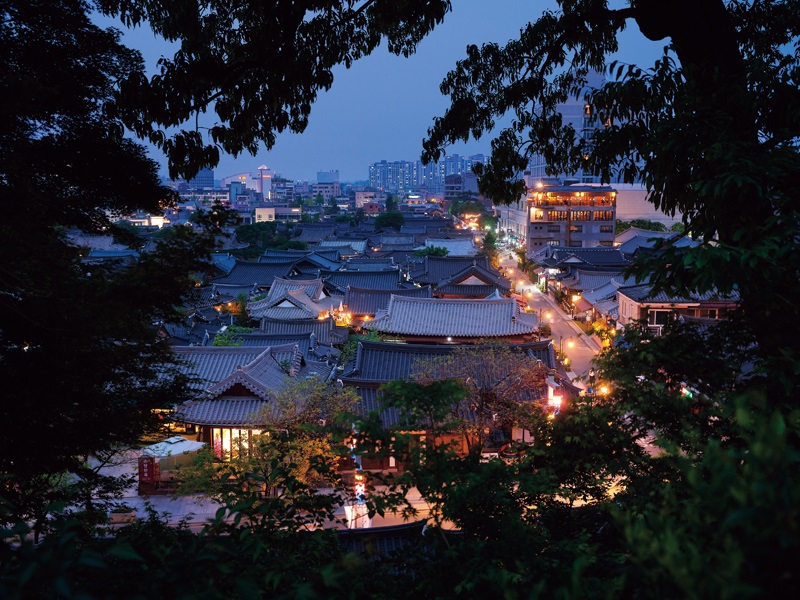
전주한옥마을 여행의 출발점으로 삼을 만한 곳 중 하난 오목대(梧木臺)다. 야트막한 언덕을 오르면 평평한 대지 위에 정자가 자리 잡고 있다. 전주한옥마을을 한눈에 조망하기에 더없이 훌륭한, 아니 유일한 장소라 할 수 있다. 약 30만 제곱미터에 무려 700채가 넘는 한옥들이 군락을 이루고 있다. 전주가 국내 최대 규모의 전통 한옥마을로 손꼽히는 까닭이다. 촘촘히 박혀 있는 기와지붕들은 마치 검푸른 파도가 밀려오는 듯한 착각마저 들게 한다.

Jeonju’s hanok village is the largest by size in Korea, with more than 700 traditional houses preserved in an area spanning 300,000 square meters. A great place to start a tour is Omokdae, a pavilion atop a steep hill that offers a panoramic view of the entire hanok village. The densely packed tiled roofs give the illusion of surging dark blue waves.

조선왕조의 시작 - DAWN OF THE JOSEON DYNASTY

오목대가 전망대 구실만 하는 것은 아니다. 정자 안에 들어가면 현판들이 걸려 있는데, 그 중< 대풍가(大風歌) >에 그 비밀이 숨겨져 있다.

Yi’s choice of poem has sparked speculation that he effectively revealed his ambition to overthrow the old dynasty and establish a new one, which he would realize around a decade later. His recital at Omokdae can thus be seen as a harbinger of the 472-year-long Joseon Dynasty.

大風起兮雲飛揚 큰바람 일자 구름이 흩날리네. A strong wind scatters the clouds.

威加海內兮歸故鄉 온 천하에 위풍을 떨치고 고향으로 돌아왔노라. I have returned home in glory after a triumphant victory.

安得猛士兮守四方 어떻게 용사를 구해 천하를 지키랴! How can we find warriors to defend our country!

오목대 < 대풍가 >의 주인공은 1392년 조선(朝鮮)을 건국한 태조(太祖) 이성계(李成桂 재위 1392∼1398)다. 고려(高麗) 말 장수였던 그가 왜적의 침입을 물리치고 상경하는 길에 전주에 들러 불렀다는 것이다. 훗날 사람들이 이성계가 전주 오목대에 이르러 옛 왕조를 무너뜨리고 새 왕조를 새로 세울 조짐을 드러냈다고 평가하는 이유다. 즉 조선왕조의 시작점이 전주였다는 것이다.

Omokdae also holds historical significance. Before Yi Seong-gye became the founding king of the Joseon Dynasty (as King Taejo, r. 1392–1398), he served as a general during the late Goryeo period. In September of 1380, despite being heavily outnumbered, Yi led his troops to a decisive victory against waegu, pirates from Japan whose raids had plagued the Korean peninsula. Before his triumphant return to Seoul, he stopped by Jeonju, the ancestral home of his clan, for a celebratory feast, during which he is said to have sung the poem “Song of the Great Wind,” now written on one of the plaques inside the pavilion.

전주 한옥마을은 서울 북촌한옥마을과 함께 대표적인 한옥보존지구이다. 오목대에서 한옥마을을내려다보면 빼곡한 기와지붕이 마치 검푸른 파도가 밀려오는 듯한 모습이다. Along with Bukchon Hanok Village in Seoul, Jeonju Hanok Village is an important area preserving traditional Korean houses. When looking down from Omokdae, its densely packed tiled roofs give the illusion of surging waves.

조선왕조와 전주의 연결고리는 오목대만이 아니다. 한옥마을 남쪽 끝에는 경기전(慶基殿)이 있다. 이때 경기는 경사스러운(慶) 터전(基)이라는 뜻으로, ‘조선왕조가 시작된 곳’이라는 뜻을 내포하고 있다. 즉 조선 개국 직후 이성계의 아들인 태종(太宗) 이방원(李芳遠 재위 1400∼1418)이 전주이씨(全州李氏) 가문의 본향(本鄕)인 전주를 비롯해 평양(平壤)과 개성(開城), 경주(慶州), 영흥(永興) 등 주요 도시에 아버지의 어진(御眞)을 모시는 건물을 지었다. 그중 전주에 세운 것이 경기전이다.

The pavilion is not the only link between Joseon and Jeonju. At the southern end of the hanok village is Gyeonggijeon. The shrine’s name is derived from gyeonggi, which means “auspicious site.” Yi Seong-gye’s son and second successor, Yi Bang-won (King Taejong, r. 1400–1418), built places to enshrine his father’s portrait in Jeonju and other major cities, including Pyongyang, Kaesong, Yonghung, and Gyeongju.

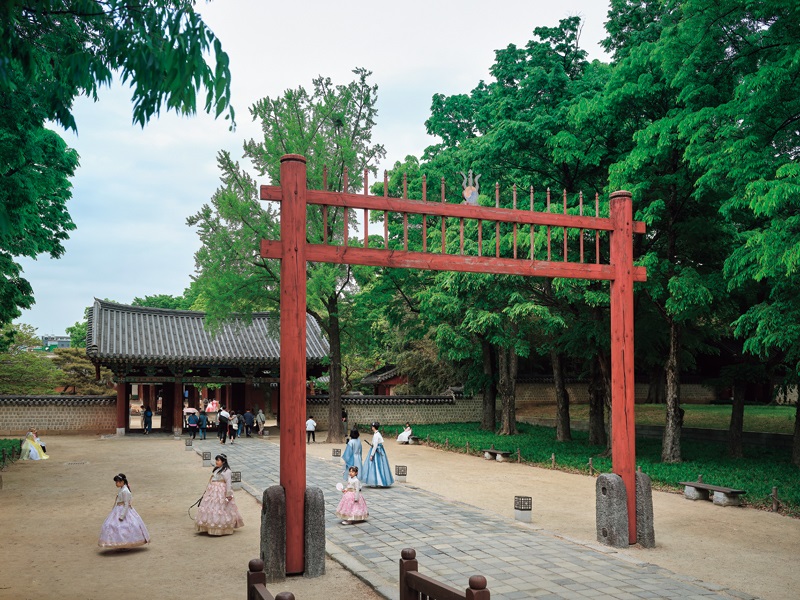
한복을 입고 경기전(慶基殿)을 산책 관람 중인 시민들. 경기전은 경기는 경사스러운(慶) 터전(基)이라는 뜻으로, 조선 왕조의 뿌리를 재확인하는 기념 장소 역할을 했다. Visitors donned in traditional Korean clothes at Gyeonggijeon, a shrine reaffirming the roots of the Joseon Dynasty; gyeonggi means “auspicious site.”

공간은 크게 세 영역으로 구성되어 있다. 정전(正殿)은 태조의 어진을 모셨던 곳으로, 경기전의 중심 영역이다. 현재 정전에 있는 어진은 모사본(模寫本)이고, 원본(原本)은 정전 뒤 어진박물관에 수장돼 있다. 정전 북쪽에 있는 조경묘(肇慶廟)는 태조의 22대조이자 가문의 시조인 이한(李翰) 부부의 위패를 봉안하려고 지은 건물이다. 그리고 그사이에 사고(史庫)가 있다. 『조선왕조실록(朝鮮王朝實錄)』이라는, 조선 건국 이래 자그마치 472년 동안의 역사를 매일 같이 수록한 책을 보관하기 위해 지은 건물이다. 한 왕조의 역사적 기록 중 세계에서 가장 긴 시간에 걸쳐 작성된 기록물로서, 왕조 시절의 원본이 그대로 남아 있는 세계 유일 사례다. 대한민국 국보이자 유네스코 세계기록유산이다.

Gyeonggijeon is divided into three sections. Jeongjeon is the main hall where a replica of Taejo’s portrait is enshrined. The original is stored in the Royal Portrait Museum behind the hall. Jogyeongmyo, the second section, is an ancestral shrine to the north of Jeongjeon, which was built to enshrine the memorial tablets of Yi Han and his wife. Yi was the founding father of the Jeonju Yi clan and progenitor of Taejo 22 generations back. The third section, the historical archive built to house the Annals of the Joseon Dynasty, lies between the two structures. The Annals contain daily accounts of the dynasty since its founding and constitute the longest historical record of any single dynasty in the world and the only case in which the original volumes remain intact. They have been designated as a national treasure of Korea and are inscribed in the UNESCO Memory of the World Register.

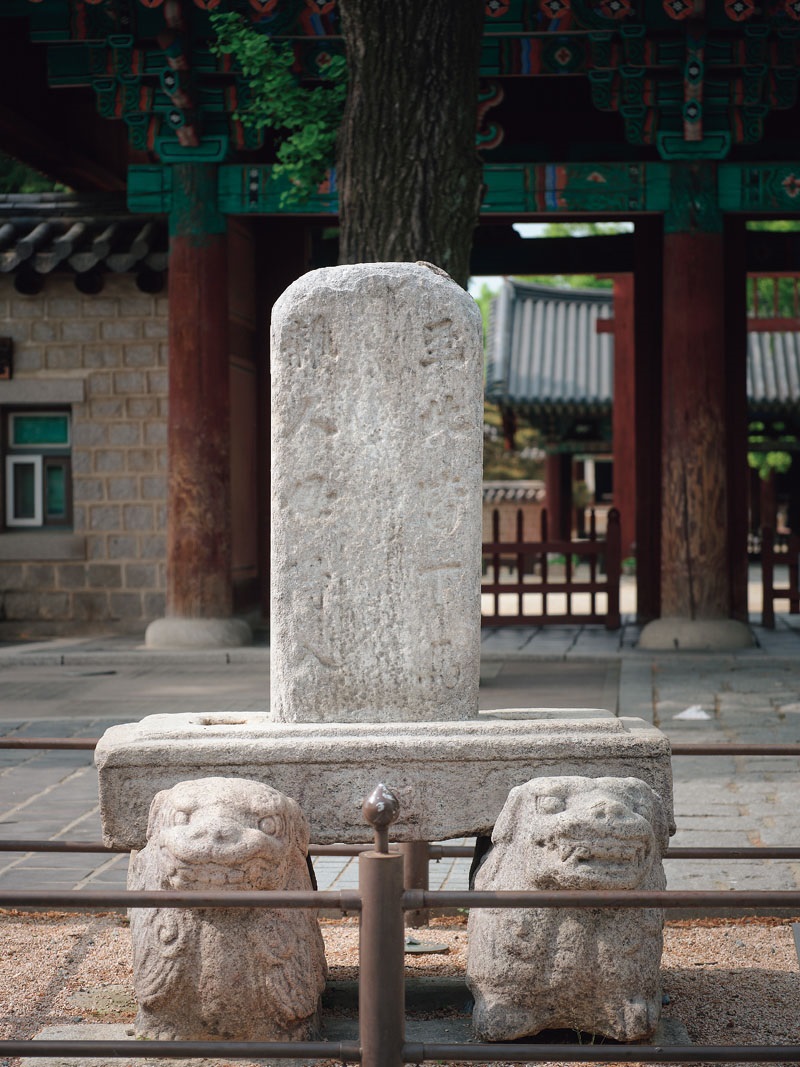
언뜻 비장해 보이는 공간이지만, ‘하마비(下馬碑)’와 ‘드므(순우리말. ‘頭毛’라 음차하기도 한다)’에서는 옛사람들의 위트가 엿보인다. 하마비는 ‘지위 고하를 막론하고 여기서부터는 하마, 즉 모두 말에서 내려 지나가라’라는 뜻에서 세운 비다. 경기전 정문 앞에 놓여 있는데, 비를 받치고 있는 두 마리의 사자(獅子) 또는 해치(獬豸) 모습에서 엄숙함보다 조선 석물 특유의 익살스러움이 묻어난다. 정전 뜰에 놓여있는 6개의 드므는 방화수를 담아뒀던 수조들이다. 행여 화마(火魔)가 건물 가까이 오더라도 물 표면에 반사된 자신의 흉측함에 놀라 도망가길 원하는 바람이 녹아 있다.

In front of the entrance to Gyeonggijeon is a stele that marks the spot where everyone, regardless of status, had to dismount from their horse. Propping it up are two stone statues of haechi, a legendary creature resembling a lion, that look playful rather than stern, as is characteristic of Joseon stone sculptures. Six large cast iron cauldrons in the courtyard of Jeongjeon held water to extinguish fires. They were also meant to repel fire demons, hoping they would be startled at the sight of their ghastly reflections in the water and flee. In an otherwise solemn space, these whimsical elements are evidence of the wit of Joseon-era Koreans.

누구든 말에서 내려야 한다는 문구가 적혀있는 하마비 (下馬碑). A stele in front of the entrance to Gyeonggijeon marks the spot where everyone, regardless of status, had to dismount from their horse.

뿐만 아니라 500년에 가까운 조선왕조 내내 지금의 전북과 전남, 그리고 제주도 일대를 총괄하던 행정 관청이었던 전라감영(全羅監營), 전주부성(全州府城) 시설물 가운데 유일하게 남아 있는 풍남문(豐南門) 등은 오목대와 경기전, 그리고 한옥마을과 함께 전주의 역사와 전통, 나아가 위상을 상징하는 문화유산들이다.

Along with Omokdae, Gyeonggijeon, and the hanok village, other sites also reflect the history, tradition, and stature of Jeonju. These include Jeolla Gamyeong, the provincial governor’s office that oversaw the affairs of the present-day North and South Jeolla provinces as well as Jeju Island during the Joseon Dynasty, and Pungnammun, the south gate and only remnant of Jeonju Fortress that once encircled the city.

79주년 광복절 맞아 떠나는 역사 여행지 4곳 - 4 landmarks in Korea to visit to mark 79th Liberation Day

79주년 광복절 맞아 떠나는 역사 여행지 4곳 - 4 landmarks in Korea to visit to mark 79th Liberation Day

 ▲ 충남 천안시에 있는 독립기념관. The Independence Hall of Korea is located in Cheonan, Chungcheongnam-do Province. (Independence Hall of Korea - 독립기념관)

1945년 8월 15일. 대한민국이 '빛을 되찾은 날'이다. 35년간의 일본 제국주의 압제로부터 주권을 되찾고 자주독립국으로서 광복(光復)을 맞이한 날이다. Aug. 15 is Liberation Day, or Gwangbokjeol in Korean, a term that literally means "Recovery of Light Day." Korea on that fateful day in 1945 regained sovereignty from imperial Japan after 35 years of colonial rule to "regain light" as an independent nation.

광복절은 3·1절, 제헌절, 개천절, 한글날과 함께 한국의 5대 국경일이다. 광복절을 국경일로 기념하는 것은 대한민국의 독립이 외세에 의존한 독립이 아닌 자주적으로 일궈낸 독립이고, 끈질기게 싸워온 투쟁의 역사이기 때문이다.

Liberation Day is one of the country's five national holidays of Korea along with March First Independence Movement Day (March 1), Constitution Day (July 17), National Foundation Day (Oct. 3) and Hangeul Day (Oct. 9).

Liberation Day was designated a holiday because independence was achieved autonomously without reliance on foreign powers, stressing the country's history of tenacious struggle for self-determination.

코리아넷이 광복 79주년 광복절에 가볼 만한 역사 여행지 4곳을 국가보훈부 추천을 받아 소개한다. 독립운동가의 숭고한 헌신을 마음에 새기고 대한민국 자주독립의 역사를 기억하기 위한 시간여행을 떠나보자.

Based on recommendations from the Ministry of Patriots and Veterans Affairs, Korea.net presents the following four landmarks to visit to commemorate the 79th Liberation Day. Each venue is like going back in time to remember the noble dedications of independence activists and the history of national independence.

국립대한민국임시정부기념관 - National Memorial of Korean Provisional Government
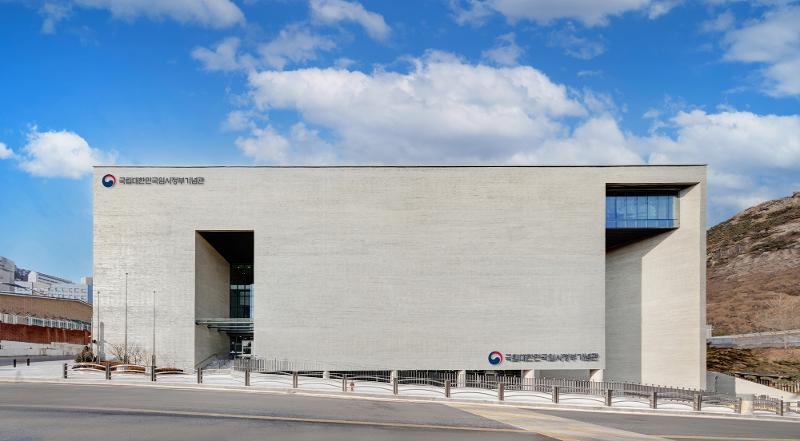
▲ 서울 서대문구에 위치한 국립대한민국임시정부기념관. The National Memorial of the Korean Provisional Government is located in Seoul's Seodaemun-gu District. 국립대한민국임시정부기념관 ▲ 서울 서대문구에 위치한 국립대한민국임시정부기념관. The National Memorial of the Korean Provisional Government is located in Seoul's Seodaemun-gu District. 국립대한민국임시정부기념관

1919년 설립된 대한민국임시정부의 역사를 배울 수 있는 곳이다. 파리강화회의에 제출한 독립요구서, 광복군가집, 광복군 군복 등을 전시 중이다.

This memorial preserves the history of Korean Provisional Government (KPG), which was launched in 1919, displaying the government's request for liberation submitted to the Paris Peace Conference, written songs of the Korean Liberation Army and the latter's uniforms.

광복절 기념 문화 행사 '문화독립만세'(~9.1)와 특별전시 ‘꿈갓흔 옛날 피압흔 니야기’(~9.1)가 열리고 있다.

The commemorative program "Culture Independence Manse (Hurrah)" and the exhibition "Memoir about the Korean Provisional Government: Old Days like a Dream, Heart-Wrenching Stories" will both run through Sept. 1.

‘임시정부, 문화 독립운동을 펼치다’를 주제로 한 체험존과 거리 공연(버스킹), ‘임시정부 요인들의 음식 체험’ 프로그램 등을 즐길 수 있다.

Also offered are interactive zones and busking performances under the theme "The Korean Provisional Government Spreads the Cultural Independence Movement," as well as a class on making the food of KPG officials.

독립기념관 - Independence Hall of Korea
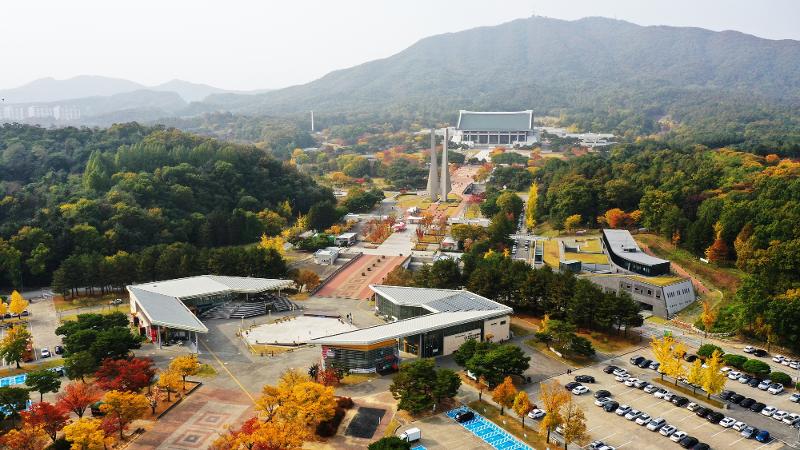
▲ 충남 천안시에 있는 독립기념관 전경. The Independence Hall of Korea is in Cheonan, Chungcheongnam-do Province. (Independence Hall of Korea - 독립기념관)

독립운동 자료의 수집·분석·관리, 학술연구, 전시 및 교육 등으로 독립운동의 가치를 알리고 나라를 위해 희생한 분들을 추모하는 기념관이다.

This venue promotes the value of the independence movement through the collection, analysis and management of relevant data, academic research, exhibitions and education to honor those who sacrificed themselves for the country.

독립기념관의 상징적인 건축물인 '겨레의 집' 뒤로는 6개의 상설전시관, 특별기획전시실, 함께하는독립운동(체험관), MR독립영상관 등이 있다. 자주와 독립을 지켜온 우리 민족의 국난극복사와 국가발전사를 살펴볼 수 있다.

Behind the Grand Hall of the Nation, a symbolic building at Independence Hall, are six permanent exhibition halls, one for special exhibitions, interactive program center and video room using mixed reality to publicize the movement.

Visitors can learn about the Korean people's history of surmounting crises by overcoming foreign invasions and maintaining autonomy and independence and the story of national development.

이번 광복절을 계기로 블랙이글스 에어쇼를 비롯한 ‘기억사무소’ 전시관 자율 체험, C-47 수송 비행기 탑승 등 다양한 기념행사와 체험행사를 펼친다.

Commemorative and interactive events to mark Liberation Day include an air show by the Republic of Korea Air Force's aerobatic team Black Eagles, solving quizzes at Remembrance Office and riding a C-47 transport airplane.

군산 3·1운동100주년기념관 - Memorial Hall for the 100th anniversary of March First Independence Movement in Gunsan
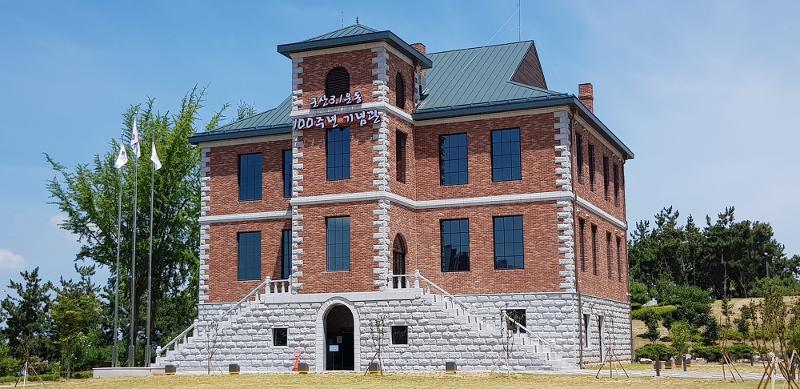
▲ 전북 군산시에 있는 군산 3·1운동100주년기념관. The Gunsan Modern History Museum is based in Gunsan, Jeollabuk-do Province. (Gunsan Modern History Museum)

군산은 한강 이남에서 최초로 3·1 만세 운동이 일어난 지역이다. 영명학교와 예수병원, 구암교회 등이 주축이 돼 만세운동을 일으켰다. 전국으로 만세운동을 전파하는 도화선이 됐다.

Gunsan, Jeollabuk-do Province, is where the March First Independence Movement started south of the Hangang River in Seoul. Yeongmyeong School, Jesus Hospital and Guam Church played key roles in the campaign and lit the fuse to ignite the spread of freedom fever nationwide.

3·1운동 100주년 기념관은 군산 독립만세운동의 역사성을 널리 알리고, 나라를 위해 목숨을 바친 독립운동가들의 고귀한 정신을 계승하기 위해 건립됐다.

The Memorial Hall for the 100th anniversary of March First Independence Movement in Gunsan seeks to promote the city's historical role in the movement and pass on the lofty spirit of independence activists who gave their lives for the nation.

군산 3·1운동 100주년 기념관의 외형은 100년 전 영명학교를 그대로 재현했다. 전시관에선 군산 만세운동 관련 유물을 관람할 수 있다. The museum's exterior is a replica of Yeongmyeong School from 100 years ago, and relics related to pro-independence activities that took place in the city are displayed.

경상북도독립운동기념관 - Gyeongsangbuk-do Independence Movement Memorial
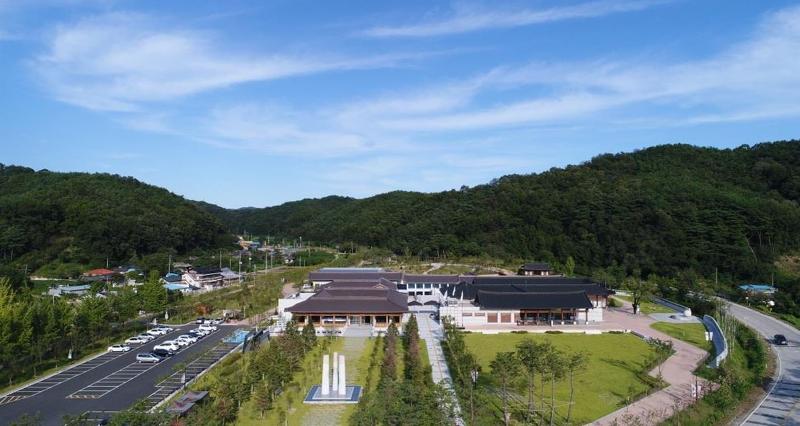
▲ 경북 안동시에 있는 경상북도독립운동기념관. The Gyeongsangbuk-do Independence Movement Memorial is in Andong, Gyeongsangbuk-do Province. (Gyeongsangbuk-do Independence Movement Memorial - 경상북도독립운동기념관)

경상북도는 항일 독립운동의 발상지로 전국에서 가장 많은 독립유공자와 자정순국자를 배출했다. 자정순국(自靖殉國)은 스스로 목숨을 끊어 일제에 저항했던 항일운동이다.

The term jajeongsunguk refers to someone who died by suicide to protest Korea's occupation by imperial Japan. Gyeongsangbuk-do Province is considered the birthplace of the movement with the highest number of independence patriots and martyrs who used their deaths to promote liberation.

경상북도독립운동기념관은 독립운동가들의 애국정신을 계승하고 국민들의 올바른 국가관 정립에 이바지 하기 위해 설립됐다. 경북의 독립운동사 자료를 수집·조사, 연구, 전시, 교육하는 이유다.

The purpose of this memorial is to pass on the patriotic spirit of independence activists and instill in the public the proper national view through the collection, investigation, research, exhibition and education about resources pertinent to Gyeongsangbuk-do's role in the movement.

독립관, 의열관 등의 전시관과 신흥무관학교 독립전쟁 체험장 등을 갖췄다. Its exhibition halls include Independence Hall and Uiyeol Hall and an interactive zone features battles by freedom fighters trained at Shinheung Military Academy.

유연경 기자 dusrud21@korea.kr
By Yoo Yeon Gyeong, dusrud21@korea.kr
Photos = Ministry of Patriots and Veterans Affairs

국립제주박물관 - Jeju National Museum

국립제주박물관 - Jeju National Museum

박물관은 한 나라의 역사와 문화가 살아 숨 쉬고 과거와 현재, 미래가 공존하는 공간이다. 그 나라의 문화의 힘을 확인할 수 있는 장소이기도 하다. 코리아넷이 대한민국의 지역별 국박물관 6곳을 선정, 그곳에서 놓쳐선 안될 대표 소장품을 소개한다. 드디어 박물관 시리즈의 마지막 편, 제주의 역사와 섬 문화가 살아 숨 쉬는 국립제주박물관으로 떠난다.

A museum is where a country's history and culture live and breathe and the past, present and future coexist, as well as showing the nation's cultural power. Korea.net has selected six national museums by region to introduce leading must-see works displayed at each. The final installment of the series is about Jeju National Museum, where the history and culture of Jeju Island are alive and well.

1. 한국에서 가장 오래된 신석기 토기 ‘고산리식 토기’’ - Oldest earthenware in Korea: Gosan-ri type pottery

화산섬인 제주는 하천에 물이 흐르지 않아 예로부터 물이 귀했다. 이 때문에 '용천수'가 제주도민의 생명수 역할을 했다. 용천수가 솟아나는 해안을 따라 마을이 형성된 이유다. '용천수'는 지하수가 암석이나 지층의 틈새를 통해 지표면으로 솟아나는 물이다.

Since ancient times, water has been a precious resource on Jeju Island since the volcanic island has no rivers. This explains the formation of villages along the coasts, where yongcheonsu (spring water) ensured life for residents. Yongcheonsu is groundwater that surges to the earth's surface through crevices in rocks or formations.

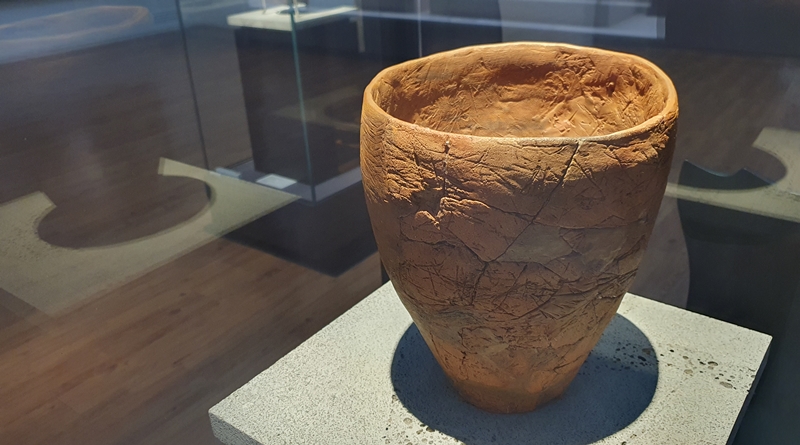
 ▲ 제주 고산리 유적에서 출토된 한국에서 가장 오래된 신석기 시대 토기인 '고산리식 토기' Gosan-ri type pottery, the country's oldest earthenware, was excavated in the remains of the village of Gosan-ri on Jeju Island.

그 중에서도 큰 마을을 이룬 곳은 지금의 제주시 한경면 고산리 지역. 이곳에서 다양한 신석기 시대 유물들이 발굴됐다. 특히 '고산리식 토기'는 가장 주목받는 유물이다.

Of these villages, the largest was the present Gosan-ri area in the township of Hangyeong-myeon in Jeju City. Among remains from the Early Neolithic era discovered here, Gosan-ri type pottery has gained the most attention.

기원전 8천년 무렵에 제작된 것으로 추정되는 신석기 시대 토기다. 한국에서 가장 오래된 신석기 시대 토기란다. 한반도의 빗살무늬토기보다 2천 년 이상 앞선 것이다. 이재호 국립제주박물관 학예연구사는 "다른 지역의 토기와 다른 점은 표면에 식물의 잎이나 줄기를 붙였던 흔적이 독특한 문양처럼 남아있다는 점" 이라며 "한국에서 가장 오래된 신석기 토기가 제주도에서 만들어졌다는 것은 상징적인 의미가 있다"고 평가했다.

Believed to date back to around 8,000 B.C. as the nation's oldest pottery from the Early Neolithic Era, the relic predates comb pattern pottery discovered on the Korean Peninsula by over 2,000 years.

"What makes this earthenware different from those in other regions is traces of plant leaves or stems stuck to the surface appearing as unique designs," said Lee Jaeho, assistant curator at Jeju National Museum. "That Korea's oldest Early Neolithic pottery was made on Jeju Island is highly symbolic."

국립진주박물관 - Jinju National Museum

국립진주박물관 - Jinju National Museum

박물관은 한 나라의 역사와 문화가 살아 숨 쉬고 과거와 현재, 미래가 공존하는 특별한 공간이다. 그 나라의 문화의 힘을 확인할 수 있는 장소이기도 하다. 코리아넷이 대한민국의 지역별 국립박물관 6곳을 선정, 그곳에서 놓쳐선 안될 대표 소장품을 소개한다. 이번에는 경상남도 진주시 진주성 위치한 국립진주박물관을 방문했다. 국립진주박물관은 한국에서 유일한 임진왜란 특성화 박물관으로 임진왜란의 배경, 과정, 결과를 자세하게 살펴볼 수 있다.

A museum is where a country's history and culture live and breathe and the past, present and future coexist, as well as showing the nation's cultural power. Korea.net has selected six national museums by region to introduce leading must-see works displayed at each. The fifth installment of this series focuses on Jinju National Museum in Jinju, Gyeongsangnam-do Province, the nation's only museum focused on the Imjin War, or Japan's invasions of the Korean Peninsula in the late 16th century, that offers a detailed look at the background, process and results of the conflict.

 ▲ 임진왜란실에서 전시된 판옥선(왼쪽)과 거북선(오른쪽) 모형. On the left is a replica of a panokseon (sailing and rowing vessel) and on the right is one of a geobukseon (turtle ship) at Imjin War Hall of Jinju National Museum. (Choi Jin-woo - 최진우 기자 paramt@korea.kr)

1. 조선의 대표 화약무기 '중완구' - Joongwangu: Joseon Dynasty's representative cannon

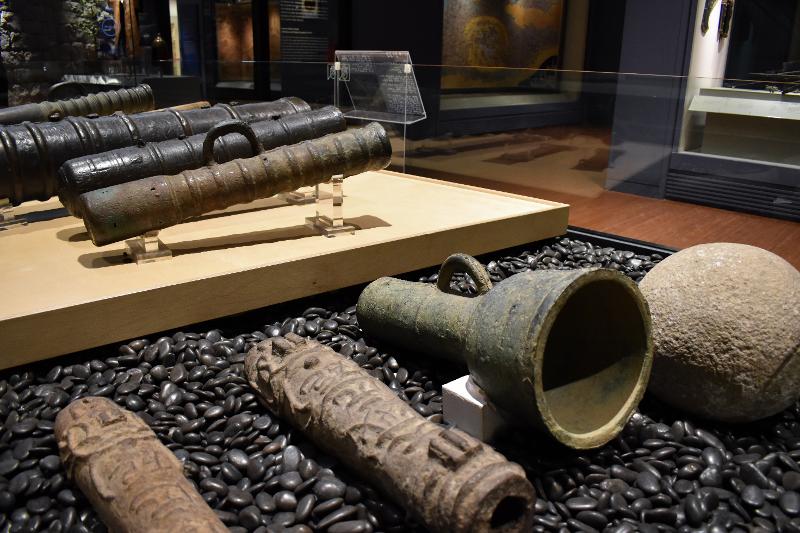
▲ 입지름 27.1cm, 길이 64.0cm에 이르는 이 '중완구'(오른쪽에서 두 번째 유물)는 비격진천뢰나 단석 등의 탄환을 쏘는 화포이다. With a diameter of 27.1 cm and length of 64 cm, the mid-size cannon joongwangu (second from right), aka a medium mortar shooting thunderclap bomb shell or stone cannonball, was used during the Imjin War, or Japanese invasions of the Korean Peninsula in the late 16th century. (Choi Jin-woo - 최진우 기자 paramt@korea.kr)

임진왜란은 1592년 일본의 조선(한국) 침공으로 시작돼 1598년까지 7년간 이어진 전쟁이다. 두 차례 침략 중 1597년의 제2차 침략을 정유재란이라고 따로 부르기도 한다. 임진왜란은 조선, 일본, 명(중국) 등 세 나라가 참전했고 각 나라의 사회, 경제, 문화 등에 많은 영향을 미쳤다. 임진왜란실에 들어가면 임진왜란 흔적을 볼 수 있다. 그 가운데서도 특히 눈에 띄는 것은 전쟁 무기류다.

The Imjin War was a series of late 16-century Japanese invasions of the Korean Peninsula from 1592-98. The second invasion from 1597-98 is also called Jeongyu War. The conflict involved the Joseon Dynasty, Japan and China's Ming Dynasty and significantly impacted their societies, economies and cultures. Traces of the war are found at Imjin War Hall of Jinju National Museum in Jinju, Gyeongsangnam-do Province, with the weaponry used standing out.

당시 사용한 화포들을 진열한 전시실. '중완구'가 눈길을 끈다. 조선 전기부터 후기까지 성을 공격하거나 수비하는데 주로 이용했다. 국립진주박물관의 '중완구'는 경남 하동군 정개산성에서 출토됐단다.

The first eye-catching item at the hall is artillery used at the time, namely the joongwangu (mid-size cannon) that was primarily used to attack or defend castles from the early to late Joseon eras. The one displayed at the museum was found during excavations of Jeonggaesan Mountain Fortress in Hadong-gun County, Gyeongsangnam-do.

'완구'는 조선시대에 만든 화포 중 하나다. '완구'는 크기에 따라 대·중·소·소소 네 종류로 구별된다. '중완구'는 일반적인 원통형 대포와 달리 총통 앞에 탄환을 장전하는 그릇 모양의 완(碗)이 달린 것이 특징이다. 유효사거리는 350보부터 500보(약 400~500m) 정도. 이곳 '중완구'엔 조선 1590년에 상주포에서 이물금이 주조했다는 명문이 새겨져 있다. 화포 제작에도 실명제를 도입한 셈이다.

A wangu is a type of cannon made during the Joseon era classified into four types based on size: large, medium, small and very small. Unlike typical cylindrical cannons, this weapon has a bowl-shaped chamber up front for loading a projectile with an effective range of 350-500 steps (400-500 m). Its inscription says it was made in 1590 by Lee Mul-geum at Sangjupo during the Joseon Dynasty, indicating a system of naming the maker in artillery production.

최유미 학예연구사는 "중완구가 조선 전기부터 후기까지 오랜 시간 사용되었으나 실물은 단 2점밖에 없다"며 "그중에서도 국립진주박물관 '중완구' 제작 시기와 제작자를 알 수 있는 명문이 있어 더욱 중요하다"라고 했다.

"The joongwangu was used for a long time from the early to late Joseon period, but only two have survived," the museum's associate curator Choi Yumi said. "Among them, the cannon at Jinju National Museum is particularly important because its inscription shows the date of manufacture and maker's name."

국립부여박물관 - Buyeo National Museum

국립부여박물관 - Buyeo National Museum

박물관은 한 나라의 역사와 문화가 살아 숨 쉬고 과거와 현재, 미래가 공존하는 특별한 공간이다. 그 나라의 문화의 힘을 확인할 수 있는 장소이기도 하다. 코리아넷이 대한민국의 지역별 국립박물관 6곳을 선정, 그곳에서 놓쳐선 안될 대표 소장품을 소개한다. 이번에는 충청남도 서부지역의 선사 문화와 백제의 문화유산을 보존 관리하는 국립부여박물관을 방문했다.

A museum is where a country's history and culture live and breathe and the past, present and future coexist, as well as showing the nation's cultural power. Korea.net has selected six national museums by region to introduce leading must-see works displayed at each. The fourth installment of this series focuses on Buyeo National Museum, which preserves the prehistoric culture of the western region of Chungcheongnam-do Province and cultural heritage of the ancient Baekje Kingdom.

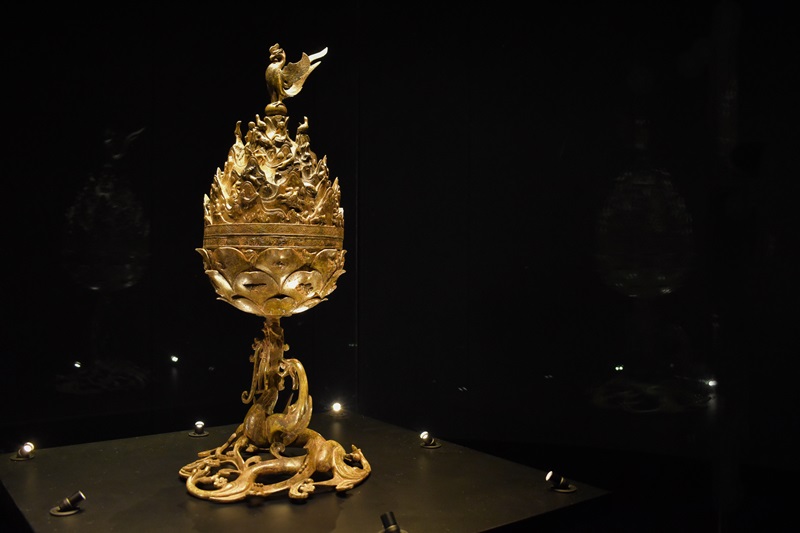
 ▲1996년 국보로 지정된 백제금동대향로는 신선이 사는 세계인 박산을 표현한 6세기 전반에 제작된 다른 유물과 견줘 세련되고 발전된 모습이다. Designated a National Treasure in 1996, the Great Gilt-bronze Incense Burner of Baekje, which depicts Baksan Mountain, where Taoist immortals live, is far more sophisticated and developed than other artifacts made in the sixth century. (Choi Jin-woo - 최진우 기자 paramt@korea.kr)

1. 백제 문화유산의 꽃, 백제금동대향로 - Jewel of kingdom's cultural heritage: Great Gilt-bronze Incense Burner of Baekje

▲ 백제금동대향로에 상상속의 동물과 여러 인물이 함께 등장한다. 백제금동대향의 윗부분에 있는 봉황은 상상의 새로서 안녕을 뜻한다. Imaginary animals and figures appear on the Great Gilt-bronze Incense Burner of Baekje. The phoenix in the upper part represents well-being. (Choi Jin-woo - 최진우 기자 paramt@korea.kr)
▲ 백제금동대향로에 상상속의 동물과 여러 인물이 함께 등장한다. 백제금동대향의 윗부분에 있는 봉황은 상상의 새로서 안녕을 뜻한다. Imaginary animals and figures appear on the Great Gilt-bronze Incense Burner of Baekje. The phoenix in the upper part represents well-being. (Choi Jin-woo - 최진우 기자 paramt@korea.kr

국립부여박물관 제2 전시실 끝. 어둠 속에서 유난히 빛나는 유물이 보인다. 백제금동대향로다. '백제 문화유산의 꽃'이라 불리는 백제 금속공예의 최고 걸작품이다.

At the end of Exhibition Hall 2 of Buyeo National Museum in Buyeo-gun County, Chungcheongnam-do Province, is an artifact shining brightly in darkness: the Great Gilt-bronze Incense Burner of Baekje. This masterpiece of metal craftsmanship from the ancient Baekje Kingdom (18 B.C.- A.D. 660) is dubbed the "jewel of Baekje cultural heritage."

높이 61.8cm로 무한한 상상력을 펼쳐 백제인의 이상세계를 사실적이고 생동감 있게 표현했다. 재생과 영원한 생명력을 뜻하는 연꽃과 불사와 영생이라는 신산(神山)의 모티프와도 절묘하게 결합됐다. 영원한 생명의 상징이다.

At 61.8 cm tall, the relic realistically and vividly depicts the ideal world envisioned through the infinite imagination of the Baekje people. It was uniquely combined with the motif of the lotus signifying reincarnation and eternal life and that of a divine mountain symbolizing immortality and eternal life. In short, it is a symbol of everlasting life.

전체적으로 상상속의 동물과 함께 여러 인물 등 조각상 80여 점이 조화롭게 배치됐다. 향로 받침대는 한 마리 용이 몸체의 연꽃을 입에 문 채 고개를 쳐들고 하늘로 힘차게 날아 오르는 모습이다.

About 80 sculptures representing imaginary animals and figures are harmoniously arranged in the piece. The incense burner stand features a dragon vigorously flying to the sky with its head raised and a lotus flower in its mouth.

몸체는 활짝 핀 연꽃을 연상시키는 꽃잎이 3단으로 돌아가며 음각됐다. 연꽃잎 사이와 표면엔 불사조와 물고기, 사슴, 학 등 동물 25마리와 선인(仙人) 2명이 등장한다. 몸체에 조각된 동물 중에 새가 12마리로서 가장 많다.

The body has three layers of rotating petals like a fully bloomed lotus flower. On the surface and between the petals are two Taoist immortals and 25 animals including the phoenix, fish, deer and crane. The 12 birds make them the most prominent creature on the piece.

금동대향로 뚜껑인 산봉우리에 조각된 산속에 사는 동물과 하늘을 나는 새의 어울림은 보는 이가 신선이 된 듯한 착각 속에 빠져들게 한다. 정상에는 세상을 관조하는 듯한 표정의 봉황이 살포시 내려앉았다.

The harmony of animals living on mountains and birds flying above carved on the lid of the relic creates the illusion of the viewer becoming a Taoist immortal. At the top, a phoenix with the apparent expression of contemplation of the world gently lands.

신민철 국립부여박물관 학예연구사는 "생물이 살아있는 듯한 표현과 산악능선의 환상적인 표현이 함께 사용됐지만 어색하지 않고 이상할 정도로 자연스럽다" 며 "이는 고대인이 상상했던 세계를 모방한 것임을 알 수 있다"고 설명한다.

"Expressions of life-like creatures and illusionary mountain ridges are used but they're not awkward and feel unusually natural," the museum's associate curator Sin Min-cheol said. "This implies that this imitated the world imagined by ancient people."

지난 1993년 12월 12일, 백제 왕의 무덤으로 알려진 부여왕릉원(부여 능산리고분군) 서쪽 골짜기에 있는 능산리 절터에서 발굴된 백제금동대향로는 해외 전시를 위해 국외로 반출한 적이 단 한차례도 없단다.

On Dec. 12, 1993, the burner was discovered during an excavation of a temple site in the village of Neungsan-ri in Buyeo-gun in the western valley of the Buyeo Royal Tombs, which is known to house the grave of a Baekje king. It has never been taken out of the country for exhibition.

신 학예연구사는 "많은 사람이 향로를 직접 보기 위해 부여박물관을 찾았으면 좋겠다"는 바람을 전한다. Shin added, "I hope many people visit our museum to see the incense burner in person."

국립광주박물관 - Gwangju National Museum

국립광주박물관 - Gwangju National Museum

박물관은 한 나라의 역사와 문화가 살아 숨 쉬고 과거와 현재, 미래가 공존하는 공간이다. 그 나라가 가진 문화의 힘을 확인할 수 있는 장소이기도 하다. 코리아넷이 대한민국의 지역별 국립박물관 6곳을 선정, 그곳에서 놓쳐선 안될 대표 소장품을 소개한다. 이번에는 광주와 전라남도 지역의 모든 문화와 역사를 한 자리에서 톺아볼 수 있는 국립광주박물관을 방문했다.

A museum is where a country's history and culture live and breathe and the past, present and future coexist, as well as showing the nation's cultural power. Korea.net has selected six national museums by region to introduce leading must-see works displayed at each. This installment features Gwangju National Museum in Gwangju to offer a glance at the culture and history of the country's fifth-largest city and Jeollanam-do Province.

1. 통일신라의 우아한 품격을 담은 '광양 중흥산성 쌍사자 석등' - Displaying elegant class of Unified Silla: Twin Lion Stone Lantern of Jungheungsanseong Fortress, Gwangyang

 ▲ ‘광양 중흥산성 쌍사자 석등’의 주요 특징은 대좌부를 이루는 간주석 부분이 원형이나 팔각형이 아니라 쌍사자로 대치됐다는 점이다. 1962년 12월 20일에 국보로 지정됐다. Designated a National Treasure on Dec. 20, 1962, the Twin Lion Stone Lantern of Jungheungsanseong Fortress, Gwangyang has as its main feature a twin lions in its middle rather than a circular or octagonal body. (Lee Jun Young - 이준영 기자 coc7991@korea.kr)

국립광주박물관 2층. 남북국시대 이후 광주와 전남의 주요 역사를 조명하는 전시품 중에 두드러지게 드러나는 작품이 있다. 가까이 다가보면 사자 두 마리가 등을 들고 있는 신기한 모습이다. 돌을 깎아 만든 등인 '광양 중흥산성 쌍사자 석등'이다.

On the second floor of Gwangju National Museum are artifacts that shed light on the main history of the southwestern metropolis of Gwangju and Jeollanam-do Province since the era of northern and southern states between the seventh and 10th centuries during the unification of the Silla Kingdom and the end of the Balhae Kingdom. One item draws visitor attention for its rare sight of two lions standing on their hind legs to lift a lantern.

높이가 250cm에 가까운 석등은 두 마리의 사자가 가슴을 맞대고 어둠을 밝히는 불집을 받치고 있다. "쌍사자 석등"이라 불리는 이유다. 두 사자의 입, 갈기, 꼬리, 발 등의 모양이 서로 다르기 때문에 암사자와 수사자로 구별하기도 한다.

This is the Twin Lion Stone Lantern of Jungheungsanseong Fortress, Gwangyang. This stone relic nearly 2.5-m tall shows two lions whose chests touch raising a lantern to light the darkness, thus giving the work its name. Each lion has a differently shaped mouth, mane, tail and feet, thus distinguishing them as male and female.

김희정 국립광주박물관 학예연구사는 "불교에서 사자는 부처의 불법과 진리를 수호하는 신비한 동물로 여겨져 불교 조각상에 조각되곤 했다"고 소상히 설명한다. 석등의 균형감이 뛰어나 가만히 앉아 바라보면 안전감을 느낄 수 있다.

Kim Heejeong, an associate curator at the museum, said, "In Buddhism, the lion is considered a mystical creature that protects Buddhist doctrine and enlightenment, so its image was often carved in Buddhist statues." The lantern shows an excellent balance that makes visitors feel at ease when sitting and looking at it.

이름에서 짐작할 수 있듯이 광양 중흥산성 쌍사자 석등의 원래 위치는 전라남도 광양시 중흥산성 옥룡면 운평리 중흥산성. 일제강점기인 지난 1931년 대구로 옮겨질 뻔했다. 광양군 경찰서의 요청으로 조선총독부가 국유로 등록하고 서울로 옮겨졌단다. 이듬해 경복궁 안에 조성하고 광복이 된 이후 국립중앙박물관이 이어받았다가 1990년 8월부터 원래 위치와 가장 인접한 국립광주박물관에서 전시하고 있다.

As its name suggests, this artifact is originally from Jungheungsanseong Fortress in the village of Unpyeong-ri in Oknyeong-myeon Township of Gwangyang, Jeollanam-do. It was nearly sent to Daegu in 1931 during Japanese colonial rule of the peninsula.

At the request of the police station of the then Gwangyang-gun County, the Japanese colonial authority registered the lantern as government property and ordered its relocation to Seoul. The relic was moved to Gyeongbokgung Palace in 1932 and after national liberation in 1945, the National Museum of Korea assumed custody.

In August 1990, the lantern was moved to its present home at Gwangju National Museum, which is closest to the item's original location.

노형신 국립광주박물관 학예연구사는 "사자를 표현한 석등은 한국에 총 4점이 있는데 그 중에서 상태가 가장 좋은 석등" 이라며 "조형적으로 굉장히 아름다운 석등이라 국보로 지정됐다"고 소개한다. "Of Korea's four stone lanterns that display lions, this one is the best preserved," associate curator Noh Hyeong-sin said. "As a gorgeous stone lantern, it was designated a National Treasure."

국립공원의 날 맞아 떠난 ‘팔공산국립공원’ 여행 - Exploring Palgongsan National Park to mark Nat'l Park Day

국립공원의 날 맞아 떠난 ‘팔공산국립공원’ 여행 - Exploring Palgongsan National Park to mark Nat'l Park Day

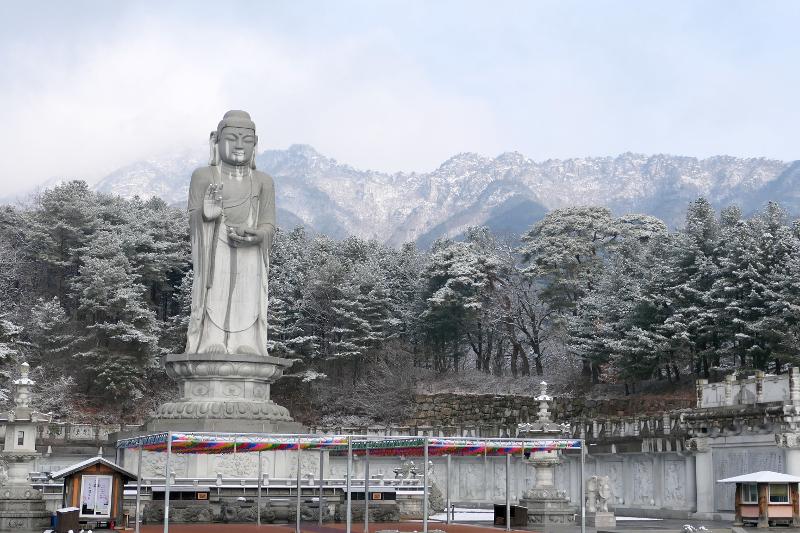
▲ 동화사의 통일약사여래대불 뒤에 팔공산의 자락이 선명하게 보인다. This is the foothills of Palgongsan Mountain as seen from behind the statue Tongil (Unification) Bhaisajyaguru Sutra at Donghwasa Temple in Daegu.

한국은 매년 3월 3일을 '국립공원의 날'로 정해 기념한다. 국립공원의 가치와 중요성을 국민에게 널리 알리고 국립공원의 의미를 새롭게 조명하기 위해서다. 한국의 국립공원은 23곳. 가장 최근에 지정된 국립공원은 '팔공산국립공원'이다. 대구광역시와 경상북도에 걸쳐 있는 팔공산국립공원의 전체 면적은 12만6058km2. 비로봉(해발 1193m)을 주봉으로 수많은 봉우리가 어우러져 팔공산의 장쾌한 풍광을 장관을 이룬다.

March 3 in Korea is National Park Day, which promotes the value and importance of such parks to the public and sheds light on their significance. Among the 23 parks designated by the government, Palgongsan National Park is the newest.

Spanning Daegu and Gyeongsangbuk-do Province, this park covers a combined 126,058 square km. Its numerous peaks including the main one Birobong (1,193 m above sea level) combine to form a harmony and a magnificent scene at the park.

팔공산국립공원은 자연경관 뿐 아니라 자연생태계가 우수하고 문화자원도 풍부해 사시사철 방문객이 끊이지 않는다. 정상에 가부좌를 튼 관봉석조여래좌상에 정성을 다해 빌면 한 가지 소원은 꼭 들어준다는 전설도 불자와 방문객의 발길을 이끈다.

This park not only boasts beautiful natural scenery but also an outstanding natural ecosystem and abundant cultural resources, attracting hordes of visitors year round. Legend has it that one's wish will come true by praying with all one's heart in front of the cross-legged Gwanbong Seated Stone Buddha at the summit, thus many Buddhists and visitors go there.

팔공산국립공원동부사무소 정정권 소장은 "팔공산국립공원엔 100여 점의 문화재가 있다" 면서 "한국의 대표적인 사찰인 동화사와 은해사를 품은 팔공산국립공원은 대구 도심권에 있어 시내버스를 타고 쉽게 방문할 수 있는 곳"이라고 말한다.

"Palgongsan National Park has about 100 cultural artifacts," said Jeong Jeong-kwon, superintendent of Palgongsan National Park Eastern Office. "Housing the leading domestic temples Donghwasa and Eunhaesa, the park is in the heart of Daegu and can be easily visited by riding city buses."

코리아넷이 접근성이 좋은 팔공산국립공원을 지날달 27일 찾았다. 전날 '대프리카' 대구에 많은 눈이 내려 묵언수행에 정진하는 팔공산국립공원의 겨울 풍경에 빠져들었다.

A Korea.net staff writer on Feb. 27 visited this easily accessible park. Daegu is sometimes jokingly called "Daefrica," a portmanteau of the terms "Daegu" and "Africa" due to its hot summer, but it snowed the day before and thus allowed the writer to experience the winter scenery and silent meditation there.

3·1 운동, 그 역사의 흔적 느낄 수 있는 현장으로 - 3 recommended spots to see vestiges of 1919 movement

3·1 운동, 그 역사의 흔적 느낄 수 있는 현장으로 - 3 recommended spots to see vestiges of 1919 movement

[caption id="attachment_13065" align="aligncenter" width="800"]▲ 1919년 3월 1일은 일제의 식민 지배에 항거해 독립선언서를 발표하고 만세운동을 전개함으로써 민족의 독립 의사를 전 세계에 알린 날이다. 사진은 지난해 3월 1일 서울 서대문구 서대문형무소역사관에서 진행된 104주년 삼일절 기념행사 ‘서대문, 1919 그 날의 함성’ 에서 태극기를 흔들고 있는 학생들의 모습. March 1, 1919, is when the March First Independence Movement began as Koreans flooded the streets to announce the nation's Declaration of Independence and protesting Japanese colonial rule. Shown are students on March 1, 2023, waving the national flag Taegeukgi at the "Seodaemun, the Shout of That Day in 1919" on March 1 last year on the movement's 104th anniversary at Seodaemun Prison History Hall in Seoul's Seodaemun-gu District. (Seodaemun-gu Office - 서대문구청) ▲ 1919년 3월 1일은 일제의 식민 지배에 항거해 독립선언서를 발표하고 만세운동을 전개함으로써 민족의 독립 의사를 전 세계에 알린 날이다. 사진은 지난해 3월 1일 서울 서대문구 서대문형무소역사관에서 진행된 104주년 삼일절 기념행사 ‘서대문, 1919 그 날의 함성’ 에서 태극기를 흔들고 있는 학생들의 모습. March 1, 1919, is when the March First Independence Movement began as Koreans flooded the streets to announce the nation's Declaration of Independence and protesting Japanese colonial rule. Shown are students on March 1, 2023, waving the national flag Taegeukgi at the "Seodaemun, the Shout of That Day in 1919" on March 1 last year on the movement's 104th anniversary at Seodaemun Prison History Hall in Seoul's Seodaemun-gu District. (Seodaemun-gu Office - 서대문구청)[/caption]

1919년 3월 1일은 한민족이 일제의 식민 지배에 항거해 독립선언서를 발표하고 거족적인 만세운동을 전개한 역사적인 날이다. March 1, 1919, was a historic day on which Koreans protested Japanese colonial rule, issued a declaration of liberation and launched the March First Independence Movement.

3·1 운동은 국내외로 널리 전파돼 한국의 독립 의사를 전 세계에 알리고 식민 지배에 대한 저항 의식을 세계적으로 확산시키는 데 중요한 역할을 했다. 특히 비폭력·평화적 시위였던 3·1 운동은 중국의 5·4 운동(1919년 5월 4일 베이징 지역 학생들이 일으킨 반제국주의 혁명운동), 인도의 비폭력 불복종 운동(인도의 대표적인 독립 운동가 마하트마 간디가 주창한 비폭력 저항 운동) 등 주변 식민지 국가에서 거행된 평화적 독립운동의 촉매제가 됐다.

The non-violent and peaceful movement played a crucial role in spreading to the world Korea's desire for independence and raising awareness of resistance to colonial rule elsewhere. The campaign was widely publicized at home and abroad and inspired similar actions in neighboring countries that were ruled as colonies. For instance, the movement inspired the May Fourth Movement of China, an anti-imperialist revolutionary initiative led by students in the Beijing area on May 4, 1919, and the peaceful Civil Disobedience Movement in India led by Mahatma Gandhi.

대한민국 임시정부는 3·1 운동을 기념하기 위해 1920년에 '독립선언일'로 칭하고 국경일로 지정했다. 매년 3월 1일 정부는 기념식을 열고, 각 지역에서는 당시 해당 지역의 만세 운동을 재현하는 등 다양한 행사를 진행한다.

To commemorate the movement, the Korean Provisional Government in 1920 designated March 1 the day of the nation's independence day and a national holiday. Every March 1, the country holds a commemorative ceremony and events are held nationwide to mark the occasion like reenactments of the rallies in 1919.

3·1 운동으로부터 105년이 지난 지금, 삼일절의 의미를 되새기고 한국의 역사와 문화를 느끼고픈 외국인들을 위해 최태성 역사 강사, 정일영 서강대 사학과 교수의 추천을 바탕으로 삼일절 관련 역사 현장 세 군데를 소개한다.

On the movement's 105th anniversary this year, the following three historical sites are recommended for foreign nationals in Korea who wish to learn more about the holiday's significance and gain deeper insight into Korean history and culture. The three were selected based on recommendations from famed history lecturer Choi Tae Seong and Sogang University history professor Jeong Il-young.

1. 서울 탑골공원 - Tapgol Park in Seoul

▲ 서울 탑골공원은 서울특별시 종로구 종로2가에 위치한 국내 최초의 도심 내 공원으로, 일제에 대한 최대 규모의 민족 저항운동이었던 3·1 운동이 시작된 곳이다. 공원 내 팔각정에서 1919년 3월 1일 독립선언서가 낭독됐다. Tapgol Park, the country's first urban park and located in Seoul's Jongno-gu District, is a historical site of the March First Independence Movement, the nation's largest resistance movement against Japanese colonial rule. The Declaration of Independence was read at the park's Palgakjeong Pavilion on March 1, 1919. (Cultural Heritage Administration - 문화재청)

서울 탑골공원은 서울시 종로구에 위치한 한국 최초의 도심 내 공원으로 3·1 운동의 발상지다. Tapgol Park in Seoul's Jongno-gu District, the nation's first urban facility of its kind, is where the movement began.

1919년 3월 1일 오후 2시, 수많은 학생과 시민들은 탑골공원에 모여 민족대표들을 기다렸다. 그러나 민족대표 33인은 일제의 감시를 피하기 위해 탑골공원이 아닌 다른 장소에서 독립선언서를 낭독하고 있었다.

On March 1, 1919 at 2 p.m., masses of students and citizens gathered there to wait for the 33 signers of the Declaration of Independence, but the latter had gone elsewhere to read it to avoid Japanese surveillance.

민족대표들이 나타나지 않자 한 청년이 팔각정에 올라가 독립선언서를 낭독하기 시작했고, 이에 사람들은 "대한독립 만세"를 외치며 종로 거리로 나아갔다. 3·1 운동의 시작을 알리는 순간이었다.

Despite their absence, a young man climbed up the steps of Palgakjeong Pavilion at the park and began to read the declaration. His action prompted shouts from the crowd of "Long live Korean independence" and marches on the streets of Jongno in downtown Seoul, and this is considered the beginning of the movement.

최태성 강사는 "학생과 시민이 중심이 되어 탑골공원에서 벌어진 독립 선언식은 중요한 의미를 가진다"며 "서울에서 시작돼 전국으로, 국외로 퍼진 만세의 외침이 시작된 곳"이라고 설명했다.

"The ceremony for the Declaration of Independence at Tapgol Park led by students and citizens was significant," lecturer Choi said. "It was where the cry of 'Long live Korean independence' began and spread from Seoul to the entire country and abroad."

탑골공원에는 3·1 운동 기념탑과 벽화, 민족대표 33인 가운데 한 명으로 3·1 독립선언을 주도한 의암 손병희 선생의 동상 등이 있어 3·1 운동의 흔적을 느낄 수 있다. Other notable landmarks at the park include Movement Memorial Tower, murals on the movement and the statue of patriotic martyr Uiam Son Byong-hi, a leader of the movement and one of the 33 signers of the declaration.

국립경주박물관 - Gyeongju Nat'l Museum

국립경주박물관 - Gyeongju Nat'l Museum

박물관은 한 나라의 역사와 문화가 살아 숨 쉬고 과거와 현재, 미래가 공존하는 공간이다. 또한 그 나라의 문화의 힘을 확인할 수 있는 장소이기도 하다. 코리아넷이 대한민국의 지역별 국립박물관 6곳을 선정, 그곳에서 놓쳐선 안될 대표 소장품을 소개한다. 국립중앙박물관에 이어 두 번째로 신라의 문화유산을 한 눈에 살필 수 있는 국립경주박물관으로 가본다.

A museum is where a country's history and culture live and breathe and the past, present, and future coexist, as well as showing the nation's cultural power. Korea.net has selected six national museums by region to introduce leading must-see works displayed at each. Debuting with the National Museum of Korea, this series presents its second part, Gyeongju National Museum, which shows the cultural heritage of the ancient Silla Kingdom at a glance.

1. 마립간의 권위와 신성함을 보여주는 ‘금관’ - Gold crown symbolizing authority and sacredness of the Silla king

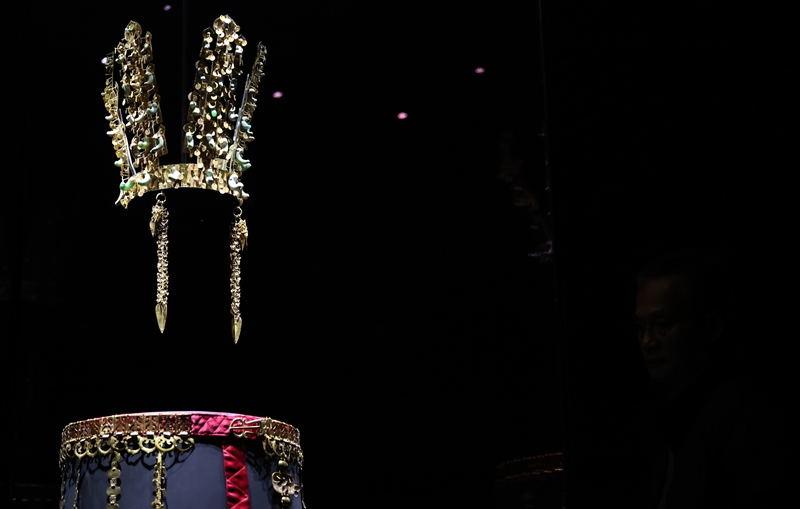
▲ 신라는 마립간이라는 지배자를 중심으로 고대 국가의 틀을 갖추기 시작했는데 왕과 왕족, 최고 귀족들만 독점적으로 황금장신구를 소유했다고 한다. 그들에게 황금은 곧 권력의 상징이었고 특히 ‘금관’은 그 중에서도 최고 권위자만이 쓸 수 있었던 위세품이었다. The ancient Silla Kingdom began to center its framework on its maripgan (monarch), with gold jewelry meant only for the king, royal family, and high-ranking aristocrats. To them, gold symbolized authority and the gold crown was reserved for only the highest authority.

박물관 내 신라역사관 제2전시실에는 유독 사람들이 몰리는 곳이 있다. 멀리서도 ‘우와~'하는 감탄사가 들려오는 그곳에는 눈부신 황금빛을 뿜어내는 신라시대 ‘금관’이 전시돼 있다.

A section at Silla History Gallery, the second exhibition hall of the Gyeongju National Museum, in Gyeongju, Gyeongsangbuk-do Province, is especially popular with visitors. The section houses a gold crown from the ancient Silla Kingdom, and the relic's dazzling golden lights evoke oohs and ahs from afar.

우뚝 솟은 나뭇가지와 사슴뿔 모양 장식. 거기에 동글동글한 달개와 태아 모양의 비취색 곡옥(曲玉)이 금실에 엮여 빼곡하게 매달려 있다. 그것도 모자라 금관 좌우에는 드리개가 길게 늘어져 있고, 금관의 주인공을 더 화려하게 꾸며줄 허리띠까지. 과연 ‘황금의 나라’라 불린 신라답게 모든 게 금이다.

The crown's decorations feature high-towering branches and deer antlers plus round moon stones and celadon-colored jade woven into a hanging gold thread. Moreover, long pendants hang on the left and right sides of the crown, as well as a belt that adds even more extravagance to the crown wearer.

이 금관은 경상북도 경주시 황남동 천마총에서 출토된 것으로 무덤의 주인은 500년 전후에 살았던 왕 또는 최고 왕족으로 추정된다. With Silla known as "the country of gold," everything about the crown is made of the precious metal.

김대환 국립경주박물관 학예연구사는 관람할 때 가장 중요한 포인트로 금관의 ‘의장’(디자인)을 꼽는다. 금관의 나뭇가지 모양에 대해 “고대사회에서 나무는 하늘과 땅을 이어주는 신성한 존재로 여겼다”며 “신라의 왕들은 자신의 권력 역시 신성한 것이라 과시하기 위해 나무에서 모티브를 가져왔다”고 설명했다. 금관을 쓰고 움직이면 달개와 곡옥이 흔들리면서 소리가 나는데 이것 역시 지배자의 위엄을 나타내는 거라고.

Kim Daehwan, associate curator at the Gyeongju National Museum's Curatorial Affairs Office, said the most important thing to look for in the crown is the design. On the relic's tree branch designs, he said trees were "considered sacred entities in ancient times that connected heaven and Earth."

"Silla monarchs brought motifs from trees to flaunt the sacredness of their authority," Kim said, adding that the crown makes sounds when worn or moved as the moonstones and ornamental beads shake to symbolize the ruler's dignity.

전 세계에서 출토된 금관은 10여 개 정도인데 그 중 무려 6점이 신라시대의 금관이다. 6점 가운데서도 이곳 국립경주박물관에 전시되어있는 금관이 가장 호화스럽고 발전된 모습을 보여준다.
Of the some 10 gold crowns excavated worldwide, six of them are from the Silla Kingdom. The most extravagant and advanced of the six is housed at the Gyeongju Museum.

화려하디 화려한 금관을 쓰고 귀걸이, 목걸이, 허리띠, 신발까지 황금으로 두른 채 자신의 권력을 뽐냈을 당시 왕과 왕족의 모습을 상상해 보는 것도 좋은 관람 방법 중 하나가 될 듯하다.
One of the best ways to see the crown is to imagine the Silla king and royal family wearing the fancy gold crown and everyone dressed in gold including earrings, necklaces, belts, and even shoes to show off their power.

국립중앙박물관 - National Museum of Korea (II)

국립중앙박물관 - National Museum of Korea (II)

박물관은 한 나라의 역사와 문화가 살아 숨 쉬고 과거와 현재, 미래가 공존하는 공간이다. 또한 그 나라의 문화의 힘을 확인할  수 있는 장소이기도 하다. 코리아넷이 대한민국의 지역별 국립박물관 6곳을 선정, 그곳에서 놓쳐선 안될 대표 소장품을 소개한다. 첫 번째 순서로 대한민국을 대표하는 박물관이자 가장 오래된 역사를 자랑하는 국립중앙박물관으로 가본다.

A museum is where a country's history and culture live and breathe and the past, present, and future coexist, as well as showing the nation's cultural power. Korea.net has selected six national museums by region to introduce leading must-see works displayed at each. The first is the National Museum of Korea, the country's leading and oldest facility of its kind.

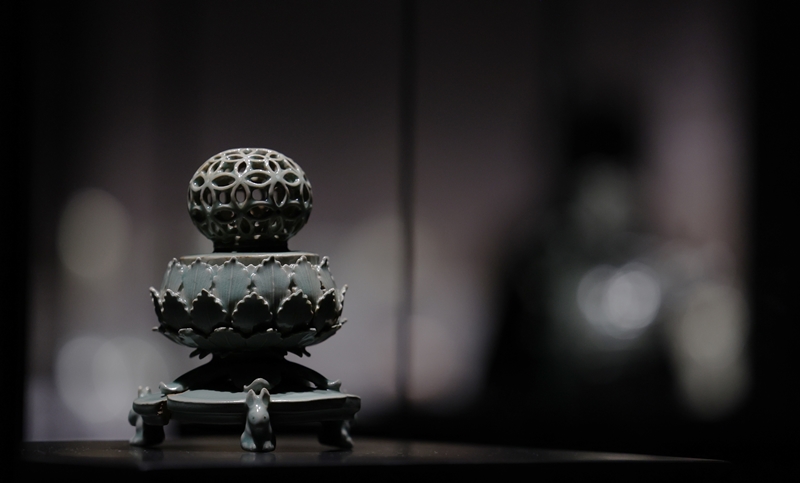
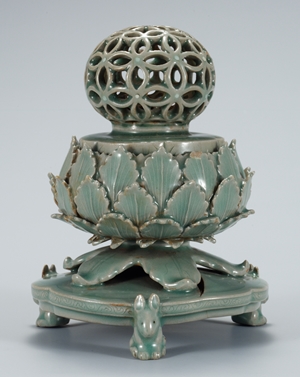
▲ '청자 투각 칠보무늬 향로'는 고려청자의 화려함과 우아함을 대표하는 작품으로 1962년 국보로 지정됐다. Celadon Incense Burner with Openwork was designated a National Treasure in 1962 as an artwork representing fanciness and elegance. (Lee Jun Young - 이준영 기자 coc7991@korea.kr)

3. 고려 비색의 아름다움, ‘청자 투각 칠보무늬 향로’ - Celadon Incense Burner with Openwork: pale green glaze

▲ 전체 높이 15.3cm, 지름 11.5cm 크기의 아담한 향로이지만 고려시대의 우수한 공예 문화를 확인할 수 있는 대표작으로 손꼽힌다. Celadon Incense Burner with Openwork is small at 15.3 cm tall and a diameter of 11.5 cm but remains a leading work illustrating the outstanding handicraft culture of the Goryeo Dynasty. (National Museum of Korea - 국립중앙박물관)

박물관 3층 청자실 내 ‘고려비색’이라 이름 붙은 공간. 조도를 낮춘 전시실 곳곳에서 푸른 빛이 맴도는 가운데, 정중앙에서 반짝이는 작품이 있다. 고려 때 만들어진 '청자 투각 칠보무늬 향로'다.
The space Goryeo Celadon Color at the Celadon Gallery is on the third floor of the National Museum of Korea. Among ceramics that emit the color blue at the darkly lit exhibition hall is a sparkling one in the middle: Celadon Incense Burner with Openwork from the Goryeo Dynasty (918-1392).

향이 빠져나가는 뚜껑, 향을 태우는 몸통, 그리고 이를 지탱하는 받침까지 크게 세 부분으로 이루어져 있다. 뚜껑에는 칠보무늬가 투각(재료를 완전히 뚫거나 도려내 표현하는 조각 기법)돼 있고, 몸체는 꽃잎을 하나하나 붙인 활짝 핀 연꽃 모양을 하고 있다.

The three main parts are the lid, which emits the fragrance; the body, where the incense is burned; and the base, which supports it. The lid sports an openwork cloisonne pattern (a carving technique that completely pierces or cuts out the material) and the body's shape is that of a lotus flower with petals attached one by one.

백미는 뭐니 뭐니 해도 향로를 등에 지고 있는 세 마리의 토끼다. 귀를 쫑긋 세운 채 웅크리고 있는 토끼의 모습이 섬세하게 묘사돼 있다. 눈동자까지 까만 철 안료로 찍어 표현함으로써 생동감을 불어넣었다.

The highlight of the work is the three rabbits at the bottom carrying the burner on their backs, showing them crouching down with their ears pricked up delicately shown. Even the pupils in their eyes were painted with a black iron pigment to make them lifelike.

향로에는 음각, 양각, 투각, 상감, 철화 등 다양한 기법이 활용됐다. 서유리 국립중앙박물관 미술부 학예연구사는 "고려청자 장인이 구사할 수 있는 모든 기법이 동원된 기술의 결정체"라며 "여기에 고려청자만의 아름다운 비색, 다시 말해 특유의 밝고 투명한 푸른색의 유약이 씌워져 아름다움을 자아낸다"고 설명한다.

Several techniques went into making the burner such as engraving, embossing, openwork, inlay, and iron painting. "The incense burner epitomized all the techniques available to a Goryeo celadon artisan," said Seo Yuri, an art curator at the museum. "And here, the distinctive color of Goryeo celadon, or in other words its unique bright and transparent blue glaze, creates beauty."

국립중앙박물관 - National Museum of Korea

국립중앙박물관 - National Museum of Korea

박물관은 한 나라의 역사와 문화가 살아 숨 쉬고 과거와 현재, 미래가 공존하는 공간이다. 또한 그 나라의 문화의 힘을 확인할 수 있는 장소이기도 하다. 코리아넷이 대한민국의 지역별 국립박물관 6곳을 선정, 그곳에서 놓쳐선 안될 대표 소장품을 소개한다. 첫 번째 순서로 대한민국을 대표하는 박물관이자 가장 오래된 역사를 자랑하는 국립중앙박물관으로 가본다.

A museum is where a country's history and culture live and breathe and the past, present, and future coexist, as well as showing the nation's cultural power. Korea.net has selected six national museums by region to introduce leading must-see works displayed at each. The first is the flagship National Museum of Korea, which has the longest history in the country.

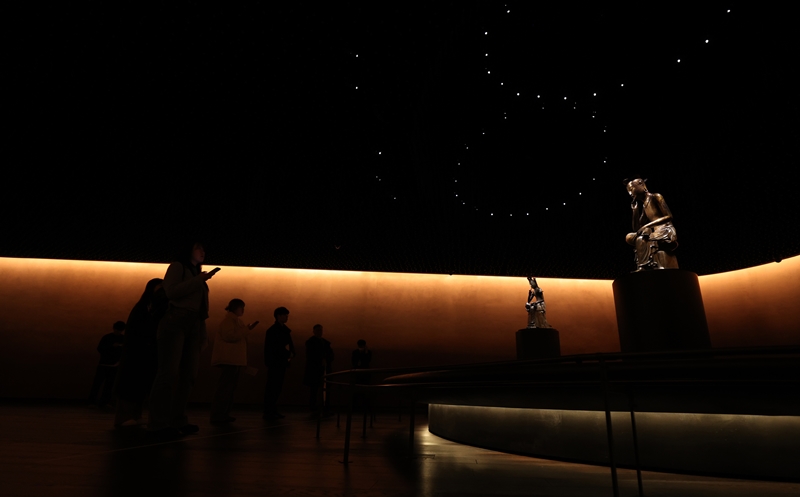
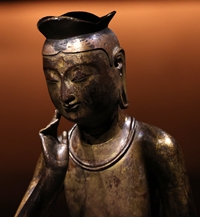
▲ 별과 우주를 의미하는 천장, 계피와 편백의 향을 은은하게 내뿜는 황토벽으로 이루어진 '사유의 방'은 두 점의 반가사유상만을 위한 공간이다. 440m² 규모의 전시장은 안쪽으로 갈수록 바닥이 살짝 높게 설계돼 있고 벽도 기울어져 있다. The Room of Quiet Contemplation is exclusively for the two statues of Pensive Bodhisattva. Its ceiling symbolizes the stars and universe and the red clay wall gently exudes a soft scent of cinnamon and cypress in a room of around 440 square m. The floor gets higher the deeper one goes into the room, and the walls are slanted.

1. '사유의 방'에서 만나는 '반가사유상' - Two statues of Pensive Bodhisattva in Room of Quiet Contemplation

'두루 헤아리며 깊은 생각에 잠기는 시간'이란 글귀를 따라 컴컴한 입구로 들어선다. 곧 묘한 음악과 함께 우주의 확장과 물질의 순환을 그려낸 흑백의 영상을 마주하게 된다. 눈은 금세 어둠에 순응하고 천천히 발걸음을 옮긴다. 어느덧 고요한 통로의 끝에 다다르고, 살짝 발끝을 돌리자 두 점의 반가사유상이 우리를 맞이한다.

The written phrase "Time to ponder extensively and deeply contemplate" precedes going into a dark entrance. A black and white video shows the expansion of the universe and circulation of substances accompanied by peculiar background music. The eyes soon adjust to the dark while slowly walking in. In a flash, the end of the serene passage appears and a slight turn leads to the two statues of Pensive Bodhisattva.

이곳은 박물관 2층에 자리 잡은 '사유의 방'. 국보로 지정된 반가사유상 두 점만이 나란히 전시되어 있다. This second-floor room at the museum is the Room of Quiet Contemplation, which houses both relics designated National Treasures.

오른발을 왼쪽 무릎에 가볍게 얹고 오른손을 살짝 뺨에 댄 채, 눈을 뜬 것도 감은 것도 아닌 상태로 오묘한 미소를 띤다. 그러면서 깊은 생각에 잠겨 있는 듯한 모습이 보는 사람들로 하여금 편안함을 느끼게 해 준다.

The statues lightly perch their right feet on their left knees and gently place their right hands on their cheeks. Their eyes seem neither closed nor opened and have mysterious smiles while looking as if in deep contemplation, providing comfort to viewers.

▲ '사유의 방' 왼쪽에 있는 반가사유상은 6세기 후반에 제작된 것으로 날카로운 콧대와 뚜렷한 눈매, 화려한 장신구와 옷의 주름 등이 특징이다. 두께가 2~4mm 정도로 얇아 뛰어난 주조 기술을 보여준다. 오른쪽에 위치한 반가사유상은 7세기 전반에 만들어진 것으로 단순하고 절제된 양식을 보여준다. Made in the late sixth century, the Pensive Bodhisattva statue on the left side of the Room of Quiet Contemplation features a sharp nose bridge, clear eyes, fancy ornaments, and wrinkles on its clothes and its thinness of 2-4 mm reflects outstanding casting techniques. The statue on the right was made in the first half of the seventh century and shows a simple and restrained style.

'사유의 방'에는 다른 전시실과는 달리 두 가지가 없다. 전시품에 대한 해설과 진열장이다. The room lacks two things that other exhibition halls have: written explanations and display cases.

▲ '사유의 방' 오른쪽에 있는 반가사유상의 모습 The pensive Bodhisattva statue on the right side of the Room of Quiet Contemplation

전시실 내부에 안내문이 없어 관람객은 오롯이 작품에 집중하며 자신만의 해석을 해 볼 수 있다. 대신 입구와 출구에 자세한 정보를 알 수 있는 QR코드가 있다.
The hall has no written signs to allow visitors to focus solely on the statues and interpret them in their own ways. A QR code at the entrance and the exit, however, provides detailed explanations.

진열장 역시 설치돼 있지 않기 때문에 아무런 제한 없이 반가사유상의 정면, 측면, 후면까지 360도 볼 수 있어 관람객이 느끼는 경험의 깊이도 다르다.
No display case means a 360-degree view of the statues from the front, side, and rear without restriction for a deeper experience.

골목따라 만나는 근대 역사, 대구 근대문화골목 - Daegu street honors nation's Catholic, liberation roots

골목따라 만나는 근대 역사, 대구 근대문화골목 - Daegu street honors nation's Catholic, liberation roots

문화체육관광부는 문화매력100선(로컬100)을 통해 각 지역 명소, 콘텐츠, 명인 등을 소개하고 지역 문화의 가치를 홍보하고 있다. 코리아넷은 로컬100 중 외국인이 가보면 좋을 숨겨진 명소를 소개한다.

The Ministry of Culture, Sports, and Tourism has a list of 100 cultural attractions dubbed Local 100 featuring each region's hot spots, content, and cultural experts to promote the value of regional culture. This Korea.net series explores select places from Local 100 recommended for foreign visitors.

▲ 대구 중구에 위치한 3.1만세운동길은 1919년 3월 1일 만세운동에 참여하기 위해 집결지로 모이던 학생들이 경찰의 감시를 피하기 위해 지나갔던 길이다. March First Independence Movement Road in Daegu's Jung-gu District is where students on March 1, 1919, crossed to evade police surveillance on their way to protest the Japanese occupation of the Korean Peninsula. (Jung-gu District Office - 대구 중구청)

대구는 한국 근대 문화와 역사를 보여주는 대표적인 도시다. 한국전쟁 당시 한국군과 유엔군이 남한 최후의 보루였던 낙동강 방어선 전투에서 승리하면서 낙동강에서 약 40km 떨어진 대구는 피해를 입지 않고 당시 모습을 지켜낼 수 있었다.

Daegu is a leading city for the country's contemporary culture and history. The metropolis avoided damage and remained intact during the Korean War (1950-53), located just 40 km from the Nakdonggang River, which was South Korea's last defense line that was successfully defended by the Republic of Korea and United Nations forces.

대구 중구에 위치한 근대문화골목에는 19세기 후반부터 20세기 중반까지 역사를 보여주는 건물들이 모여있다. 이곳은 중구의 골목 탐방 투어 다섯 코스 중 하나로, 참가자들은 문화해설사의 설명을 들으며 둘러볼 수 있다.

Modern Cultural Street in the city's Jung-gu District has clusters of buildings reflecting the nation's history from the late 19th to mid-20th century. Five street tours are available with commentary from guides.

코리아넷은 지난달 14일 이영숙 골목투어 해설사와 함께 근대문화골목을 방문했다. 이 해설사는 “비교적 짧은 구간에 볼거리가 풍부해 외국인 관광객에게도 인기가 많다”며 전체 소요 시간은 두 시간 정도라고 설명했다.

Korea.net on Nov. 14 visited the Modern Cultural Street with guide Lee Young-suk. "It has an abundance of things to see in a relatively short time, so it's also popular among foreign tourists," she said, adding that the tour takes about two hours.

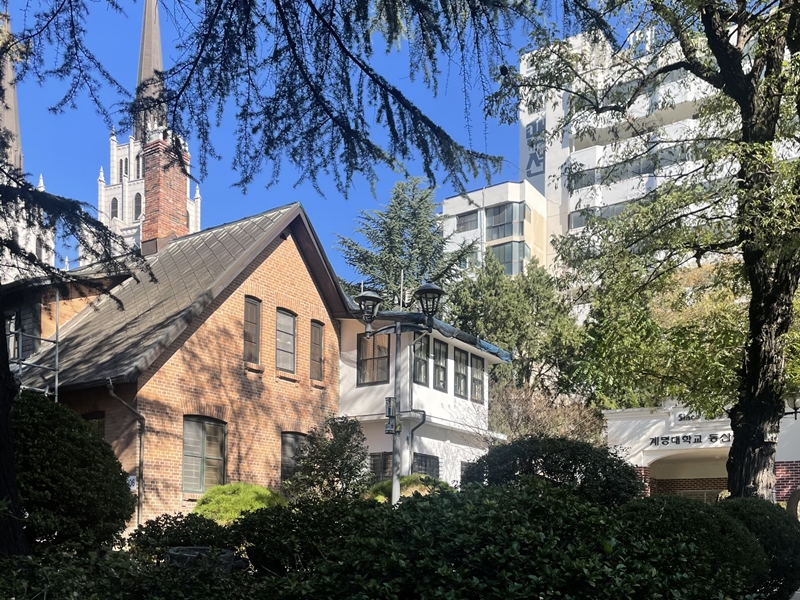
▲ 대구 중구 청라언덕에 위치한 선교사 챔니스의 주택. This is the House of Missionary Chamness on Dongsan Cheongna Hill in Daegu's Jung-gu District. (Lee Dasom - 이다솜 기자 dlektha0319@korea.kr)

골목투어의 시작을 알리는 벽돌 문을 지나면 청라언덕이 있다. 교통이 편리하고 인구 밀도가 높은 대구를 선교 기지로 삼기 위해 미국 선교사들이 20세기 전후 한국으로 건너와 거주했던 곳이다. 이 해설사는 “당시 주택들은 빨간 벽돌, 유리, 철 등을 사용하는 미국식 건축 방식에 따라 지어져 여름 무더위를 막기 위해 지붕에 담쟁이를 올렸다”며 “멀리서 보면 파란 지붕이 담쟁이로 덮였다 하여 푸를 청(靑), 담쟁이 라(蘿)가 붙어 청라언덕이라고 불리게 됐다”고 말했다.

Passing by a brick gate signifying the beginning of the tour led to Dongsan Cheongna Hill. American missionaries lived here in the early 20th century due to Daegu's convenient transportation and high population density under plans to make the city a base for missionary activities.

"Houses at the time were made using American architecture using red bricks, glass, and iron, and ivy was piled on the roof to ward off the summer heat," Lee said. "From afar, the roof was covered with ivy and looked blue, so the hill was named Cheongna Hill since cheong means 'blue' and na means 'ivy.'"

청라언덕에는 선교사들이 살았던 블레어 주택, 챔니스 주택, 스윗즈 주택이 남아있다. 이 해설사는 "챔니스 주택은 가장 완벽한 형태로 남아있고 드라마 '각시탈'(2012) 같은 독립운동 관련 드라마나 영화에 등장해 관광객에게 인기 있는 주택"이라고 소개했다.

The houses of missionary families Blair, Chamness, and Switzer remain on this hill. "House of Chamness has retained its pristine form and appeared in dramas or films related to the national independence movement such as the series 'Bridal Mask,' so it's popular among visitors," the guide said.

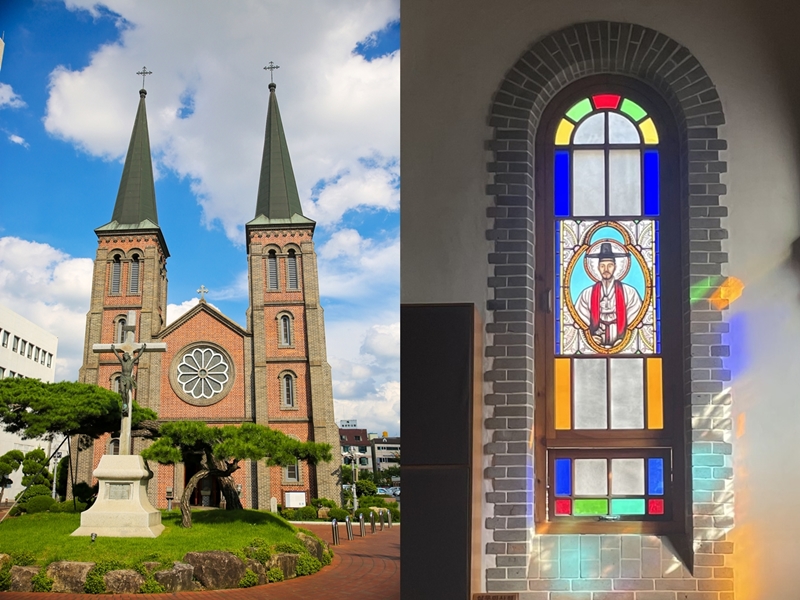
▲ 대구 중구에 위치한 계산성당(왼쪽). 대구 중구청. 성당 내부에 스테인드글라스로 묘사된 성 김대건 안드레아 신부의 모습(오른쪽). On the left is Gyesan Cathedral in Daegu's Jung-gu District and on the right is the image of St. Andrew Kim Taegon as shown on stained glass inside the facility. (Lee Dasom - 이다솜 기자 dlektha0319@korea.kr) 
▲ 대구 중구에 위치한 계산성당(왼쪽). 대구 중구청. 성당 내부에 스테인드글라스로 묘사된 성 김대건 안드레아 신부의 모습(오른쪽). On the left is Gyesan Cathedral in Daegu's Jung-gu District and on the right is the image of St. Andrew Kim Taegon as shown on stained glass inside the facility. (Lee Dasom - 이다솜 기자 dlektha0319@korea.kr)
과거로의 여행, 문경새재 - Transit mountain pass Mungyeongsaejae

과거로의 여행, 문경새재 - Transit mountain pass Mungyeongsaejae

문화체육관광부는 문화매력100선(로컬100)을 통해 각 지역 명소, 콘텐츠, 명인 등을 소개하고 지역 문화의 가치를 홍보하고 있다. 코리아넷은 로컬100 중 외국인이 가보면 좋을 숨겨진 명소를 소개한다.
The Ministry of Culture, Sports, and Tourism has a list of 100 cultural attractions dubbed Local 100 featuring each region's hot spots, content, and cultural experts to promote the value of regional culture. This Korea.net series explores select places from Local 100 recommended for foreign visitors.

▲ 경북 문경시 문경새재도립공원 전경. This is Mungyeongsaejae Provincial Park in Mungyeong, Gyeongsangbuk-do Province (아흐메트쟈노바 아이슬루 기자 aisylu@korea.kr - Aisylu Akhmetzianova)

조선 제1대 왕인 태조 이성계(1392-1398)는 수도인 한양(현 서울)을 중심으로 전국을 연결하는 도로망을 정비했다. 그중 동래(현 부산광역시)와 한양을 최단거리로 잇는 약 377km 길이의 구간은 영남대로라 불렸다.

King Taejo Yi Seong-gye, the founder and first king of the Joseon Dynasty who ruled the country from 1392-98, developed a road network connecting the country centered on Hanyang, the name of the capital Seoul at the time. One such path was the 377 km-long Yeongnamdaero, the shortest route between Dongnae (now Busan) and Hanyang.

영남대로상 가장 높고 험한 고개가 문경새재다. 충북 괴산군과 경북 문경시의 경계에 위치한 해발 1,026m의 조령산과 문경시에 위치한 1,039m 주흘산 사이 계곡을 따라 놓인 문경새재는 해발 642m의 고갯길이다. 조선시대 영남 지방 선비들이 한양으로 과거 시험을 보러 가기 위해 지나다닌 고개로 잘 알려져 있다.

The highest and steepest hill on Yeongnamdaero is Mungyeongsaejae Pass. The latter is a 642 m-high hill in the valley between Joryeongsan Mountain (1,026 m above sea level), which is on the border between Goesan-gun County, Chungcheongbuk-do Province, and Mungyeong, Gyeongsangbuk-do Province, and Juheulsan Mountain in Mungyeong (1,039 m). The pass is well-known as the way through which scholars from Yeongnam, a region traditionally comprising the two Gyeongsang-do provinces and the metropolitan cities of Busan, Daegu, and Ulsan, went through toward Hanyang to take the civil service exam during the Joseon Dynasty.

선비들이 문경새재를 거친 이유는 한양까지 가장 빠른 시간인 14일만에 가기 위해서도 있었지만 문경이 들을 문(聞), 경사 경(慶)으로 기쁘고 경사스런 소식을 들을 수 있는 곳을 의미하기 때문이기도 했다. 문경새재를 '장원급제길'이라 부르기도 한 이유다.

The reason scholars passed through the pass was not only to reach Hanyang in the fastest period of 14 days but also because the Hanja (Chinese character) for mun means "to hear" and that for gyeong "an auspicious occasion." Mungyeong thus referred to as "the road of jangwongeupjae," or passing the civil service exam.

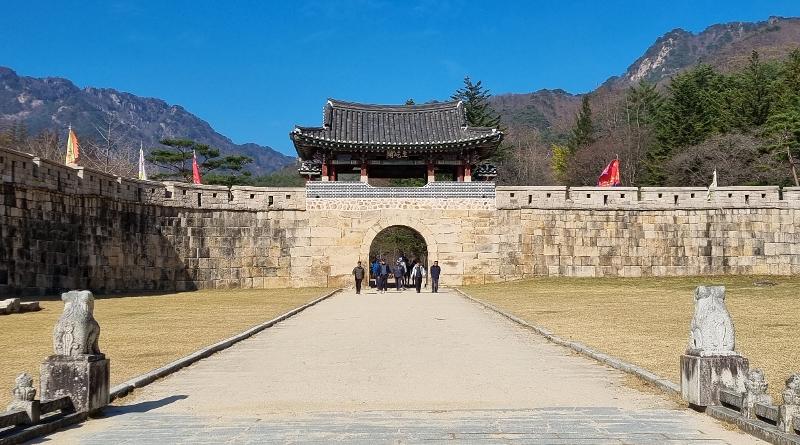
▲ 경북 문경시 문경새재 제1관문 주흘관. Juheulgwan Gate is the No. 1 gate at Mungyeongsaejae Pass in Mungyeong, Gyeongsangbuk-do Province. (아흐메트쟈노바 아이슬루 기자 aisylu@korea.kr - Aisylu Akhmetzianova) 
▲ 경북 문경시 문경새재 제1관문 주흘관. Juheulgwan Gate is the No. 1 gate at Mungyeongsaejae Pass in Mungyeong, Gyeongsangbuk-do Province. (아흐메트쟈노바 아이슬루 기자 aisylu@korea.kr - Aisylu Akhmetzianova)

코리아넷은 지난달 14일 경북 문경시 문경새재도립공원을 찾았다. 공원 입구에 다다르자 문경새재를 대표하는 세 개 관문 중 제1관문인 주흘관이 보였다. 제1관문이지만 제2관문(조곡관) 보다 이후에 만들어졌다. 임진왜란(1592-1598) 중인 1594년 왜군을 막기 위해 제2관문이 가장 먼저 설치됐고 군사적 요충지로 인식되어 1708년 제1관문과 제3관문(조령관)이 차례로 축조됐다.

A Korea.net staff writer on Nov. 14 visited Mungyeongsaejae Provincial Park in Myungyeong. Juheulgwan Gate, the first of the hill's three representative entryways, was visible upon arrival at the entrance.

While it was the No. 1 gate, Juheulgwan was built after No. 2 Jogokgwan, which was built in 1594 for protection during the 1592-98 Imjin War, or a series of Japanese invasions of the Korean Peninsula. Jogokgwan was perceived as a strategic military point, thus the first and third (Joryeonggwan) gates were built sequentially in 1708.

중국 베이징서 해외 첫 대한민국 임시정부 전시 개최 - China hosts first exhibition abroad on Korean Provisional Gov't

중국 베이징서 해외 첫 대한민국 임시정부 전시 개최 - China hosts first exhibition abroad on Korean Provisional Gov't

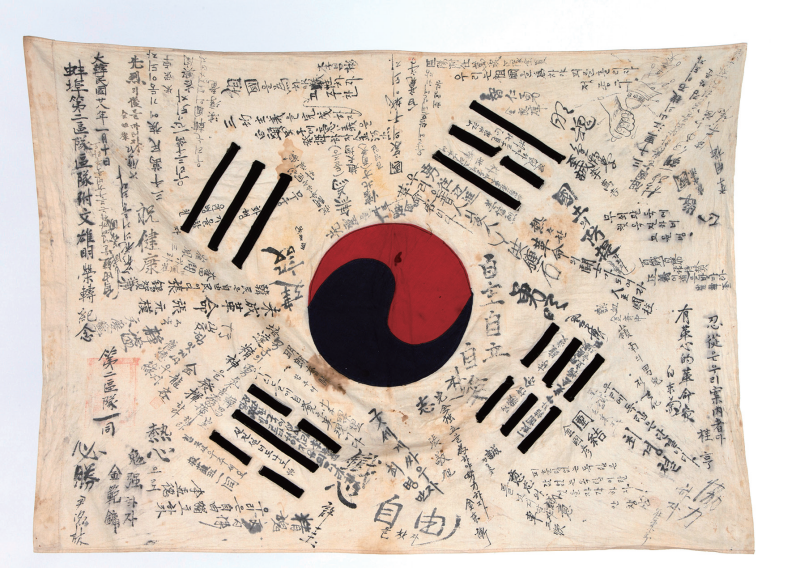
▲ 오는 24일부터 내년 3월 6일까지 중국 베이징 주중국 한국문화원에서 대한민국 임시정부의 역사를 살펴볼 수 있는 '환국, 대한민국 임시정부 돌아오다' 전시가 해외 처음으로 개최된다. 사진은 전시 4부 '대한민국 정부, 임시정부를 계승하다'에 소개되는 광복군 서명 태극기. The exhibition "The Korean Provisional Government Returns" on the history of the Korean government in exile runs from Nov. 24 to March 6 at the Korean Cultural Center in Beijing, China. Shown is the Korean national flag Taegeukgi with the signatures of the Korean Liberation Army displayed in the fourth section of the exhibition "The Government of the Republic of Korea Succeeds the Provisional Government."

대한민국 임시정부의 역사를 만날 수 있는 전시가 해외에서 처음 개최된다. An exhibition on the history of the Korean Provisional Government will be held for the first time abroad.

23일 국가보훈부에 따르면 국립대한민국임시정부기념관은 24일부터 내년 3월 6일까지 중국 베이징 주중국 한국문화원에서 '환국, 대한민국 임시정부 돌아오다'를 주제로 첫 국외 순회전시회를 개최한다.

The Ministry of Patriots and Veterans Affairs on Nov. 22 said the National Memorial of the Korean Provisional Government from Nov. 24 to March 6 will hold its first overseas touring exhibition at the Korean Cultural Center in Beijing, China, under the theme "The Korean Provisional Government Returns."
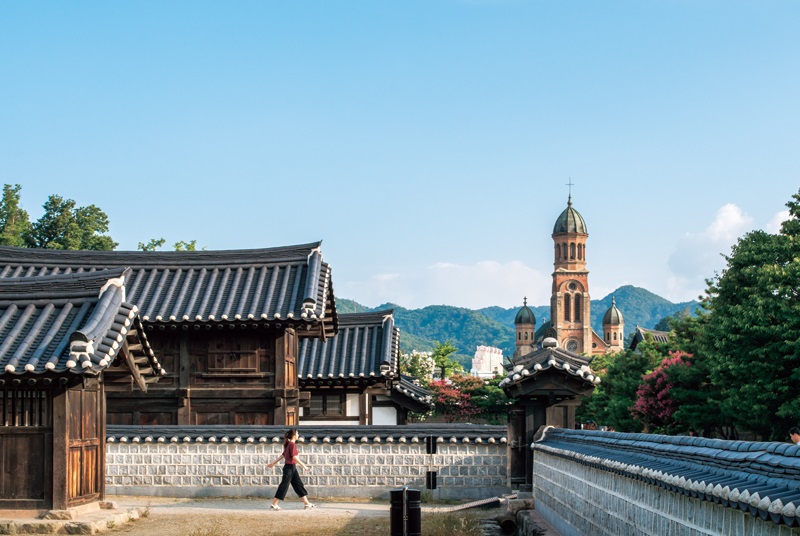
대한민국 임시정부 요인 환국 78주년을 맞아 계획된 이번 전시에서는 임시정부의 수립과 활동, 임시정부 요인들의 귀국 과정 및 서울운동장에서 열렸던 임시정부 개선 전국 환영대회 등과 관련된 유물 63점이 소개된다.

To mark the 78th anniversary of the government in exile's return to the motherland, the event displays 63 relics related to its establishment and activity, the return of key figures to Korea, and national welcoming events for them at Seoul Stadium.

전시 1부 '승리하고 돌아가리라'는 임시정부 초대 대통령인 이승만 전 대통령을 소개한 독립신문 89호(1921), 임시정부 주석 김구의 취임 선서(1944) 및 한국의 독립을 보장한 카이로 선언(1943) 등이 전시된다.

The first part of the exhibition, "We Will Return Victorious," showcases the 89th issue of the daily Dongnipsinmun (Independence Newspaper) in 1921 that introduces the first leader of the government, President Rhee Syngman; Kim Gu's inauguration oath in 1944 for his appointment as premier; and the Cairo Declaration, which guaranteed national independence.

110년 만에 문 활짝 연 경복궁 계조당···조선 왕세자의 공간 속으로 - Restored crown prince's hall opened for first time in 110 years

110년 만에 문 활짝 연 경복궁 계조당···조선 왕세자의 공간 속으로 - Restored crown prince's hall opened for first time in 110 years

▲ 14일 서울 종로구 경복궁에서 열린 '경복궁 계조당 복원 기념 전시 개막식'에서 110년 만에 복원된 계조당 내부가 처음으로 공개됐다. 사진은 경복궁 계조당의 외관 사진. The interior of Gyejodang Hall, which was used by the Joseon Dynasty's crown prince at Gyeongbokgung Palace in Seoul's Jongno-gu District, on Nov. 14 was opened to the public for the first time in 110 years in a ceremony that marked the facility's restoration. Shown is the exterior of Gyejodang.

“계조당 개문식을 진행하겠습니다! 다 같이 외쳐주세요, 하나, 둘, 셋!” "The opening ceremony for Gyejodang will begin. Please shout together, one, two, three!"

지난 14일 오전 10시 40분경, 110년 만에 복원된 서울 종로구 경복궁 계조당 내부가 처음으로 세상에 공개됐다. Gyejodang Hall, a building within Gyeongbokgung Palace in Seoul's Jongno-gu District restored after 110 years, on Nov. 14 was opened to the public for the first time at 10:40 a.m.

경복궁 동궁 권역의 가장 끝 쪽에 위치한 계조당은 조선시대 세종(1397-1450)을 대리하여 정무를 맡았던 세자 시절의 문종(1414-1452)이 사용했던 건물로 정무를 보거나 외국 사신을 접견하기 위한 공간이었다. ‘계조’는 ‘계승해 비춰준다’라는 의미로 왕세자의 왕위 계승을 의미한다.

Located at the end of the palace's eastern section, the facility was used by Joseon Dynasty King Munjong (1414-52) when he was crown prince to handle state affairs on behalf of his father, King Sejong the Great (1397-1450), or greet foreign envoys. "Gyejo" means "to inherit and reflect" and indicates the crown prince's succession to the throne.

계조당은 문종의 뜻에 따라 1452년 철거된 뒤 1868년 경복궁 중건 때 다시 지어지면서 당시 왕세자였던 순종(1874-1926)이 사용했다. 이후 일제강점기를 거치며 완전히 철거된 후 문화재청의 발굴조사를 통해 올해 9월 복원을 마쳤다.

Gyejodang was demolished in 1452 under King Munjong's order but rebuilt during the palace's restoration in 1868 for use by then Crown Prince Sunjong (1874-1926). The building was again destroyed during the 1910-45 Japanese occupation of the Korean Peninsula but restored in September this year through excavational research conducted by the Cultural Heritage Administration (CHA).

이날 열린 '경복궁 계조당 복원 기념 전시 개막식'에는 소목장, 석장 등 계조당 복원에 직접 참여한 문화재수리기능장인들도 참석해 자리를 빛냈다. 계조당 내부는 문종과 순종의 왕세자 시절 일상을 보여주는 ‘왕세자의 공간, 경복궁 계조당’ 전시 공간으로 재탄생했다.

The opening ceremony for the Gyejodang restoration exhibition was attended by experts in cultural heritage repair such as joiners (wood furniture makers) and stone craftsmen who directly took part in the restoration. The facility's interior was reborn as the hall for the exhibition "Crown Prince's Space: Gyeongbokgung's Gyejodang," which shows the daily lives of King Munjong and Emperor Sunjong while they served as crown prince.