Showing posts with label Guardians of Heritage. Show all posts
울산 ‘반구천 암각화’, 7000년 전 삶을 새기다···대한민국 17번째 세계문화유산 - Ulsan’s Bangudae Petroglyphs Reveal Life 7,000 Years Ago···Korea’s 17th World Cultural Heritage

울산 ‘반구천 암각화’, 7000년 전 삶을 새기다···대한민국 17번째 세계문화유산 - Ulsan’s Bangudae Petroglyphs Reveal Life 7,000 Years Ago···Korea’s 17th World Cultural Heritage

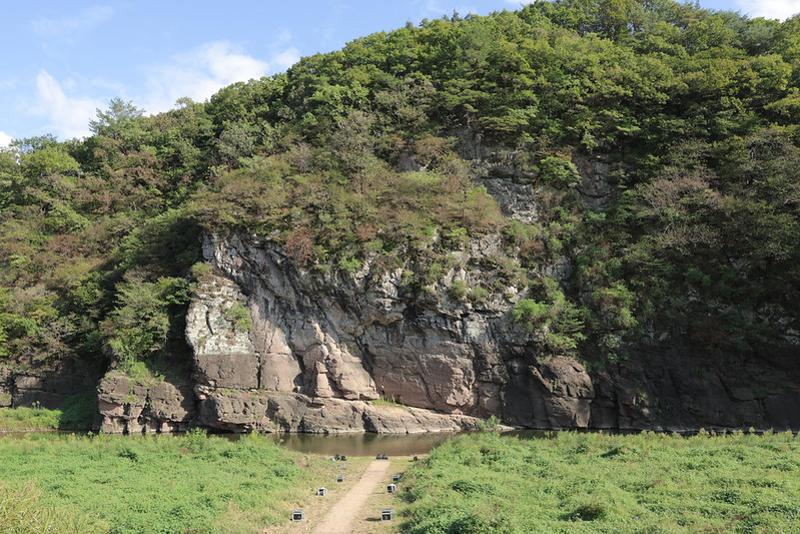
▲ 울산 울주군 언양읍 대곡리에 있는 반구대 암각화 모습 -The Petroglyphs of Bangudae Terrace are in the village of Daegok-ri in the town of Eonyang-eup in Ulsan's Ulju-gun County.

반구천 물길을 따라 데크 산책로를 걸어간다. 강 건너편, 세월을 견뎌낸 거대한 바위 절벽이 시선에 들어온다. Walking on the trail alongside Bangucheon Stream in Ulsan offers a glimpse of a massive rock cliff that has withstood the test of time across the waterway.

전망대 망원경에 눈을 대자 바위 표면 위로 아득한 선사시대의 숨결이 실체를 드러낸다. 7000년 전, 문자가 없던 시대의 사람들이 돌망치로 아로새긴 삶의 기록, 울산 대곡리 반구대 암각화다.

Looking through the telescope at the observation deck shows traces of life in the prehistoric era etched into the rock's surface. The Petroglyphs of Bangudae Terrace in the village of Daegok-ri are a record of life carved with stone tools by people 7,000 years ago, long before the advent of writing.

코리아넷이 지난 8일 유네스코 세계유산에 등재된 울산 '반구천 암각화' 를 찾았다. Korea.net on Sept. 8 visited this site, which was designated UNESCO World Heritage.

반구천 암각화는 1970년 12월 24일 발견된 천전리 암각화와, 이듬해 크리스마스인 1971년 12월 25일 세상에 드러난 대곡리 반구대 암각화를 통칭한다. 한 지역에서 2년 연속으로 인류의 위대한 유산이 잇따라 발견된 진기록이다.

The petroglyphs include those discovered in the village of Cheonjeon-ri on Dec. 24, 1970, and at Bangudae Terrace in Daegok-ri found on Christmas Day the following year. Thus two major heritage sites of humanity were discovered in the same region over two consecutive years.

천전리 암각화는 청동기 시대 문양과 신라시대 명문이 수천 년의 시공을 넘어 교차한다. 대곡리 반구대 암각화는 주로 신석기 시대의 고래사냥과 수렵, 어로 활동을 다채롭게 품고 있다.

The Cheonjeon-ri site features Bronze Age motifs and inscriptions from the ancient Silla Kingdom (57 B.C.– A.D. 935) spanning millennia of time and space. Those at Bangudae Terrace depict a rich array of Neolithic-era activities including hunting for whales and on land as well as fishing.

한때 사연댐 건설로 암각화 상당 부분이 물 아래 잠기는 시련을 겪기도 했다. 하지만 수위 조절과 보존 노력을 거쳐 현재는 그 온전한 형상을 지켜내고 있다.

At one point, a major portion of the petroglyphs was submerged following the construction of the Sayeon Dam. But careful management of water levels and conservation efforts have helped preserve the carvings in their original form to this day.
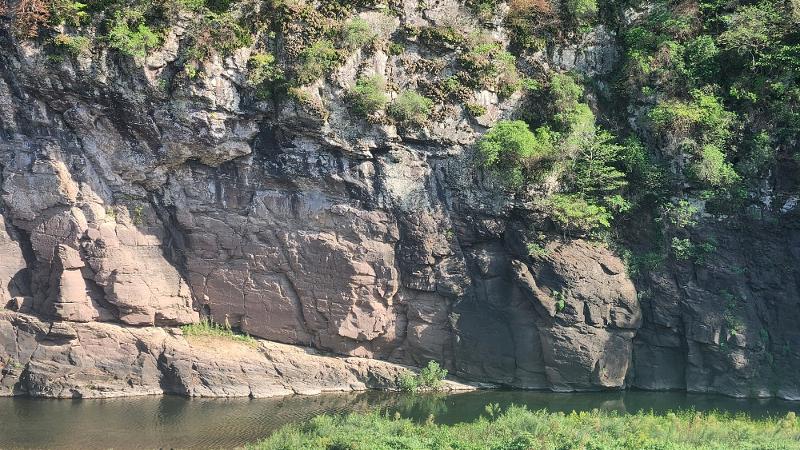
▲ 울산 울주군 언양읍 대곡리에 있는 반구대 암각화 모습 - Petroglyphs of Bangudae Terrace in Daegok-ri

대곡리 반구대 암각화는 반구천의 하류에 너비 약 8m, 높이 약 4.5m에 이르는 거대한 바위면에 총 312점에 이르는 그림이 새겨져 있다. 먼발치에서 망원경으로 들여다본 바위 위에는 신석기인들의 놀라운 관찰력이 집약돼 있다.

The petroglyphs at Bangudae Terrace comprise 312 engravings on a massive rock face measuring about 8 m wide and 4.5 m high. The drawings are in the lower reaches of Bangucheon Stream and a view from a telescope shows the keen observational skills of Neolithic people.

 ▲ 울산 울주군 언양읍 대곡리에 있는 반구대 암각화 모습. 거북이·고래 등 해양동물과 표범·사자 등 육지동물이 정교하게 공존한다. The Petroglyphs of Bangudae Terrace show marine life like turtles and whales intricately depicted alongside land animals such as leopards and lions.

육지의 호랑이, 사슴, 멧돼지는 물론 상어와 거북, 수많은 고래가 한 화폭 안에서 생생하게 숨 쉰다. 특히 돋보이는 것은 고래의 세밀함이다. 북방긴수염고래, 혹등고래, 귀신고래, 상괭이, 향고래, 들쇠고래, 범고래 등 최소 7종 이상의 고래가 형태적 특성에 맞춰 사실적으로 살아났다.

Land animals such as tigers, deer and wild boars as well as sharks, turtles and numerous whales come vividly to life on a single rock canvas, with the intricate details of the whales particularly striking. At least seven whale species like the northern right, humpback, gray, finless porpoise, sperm, pilot and orca are shown with their distinctive morphological traits realistically portrayed.

이 그림들은 바위 위에서 입체적인 한 편의 다큐멘터리로 완성된다. 고래를 탐색하는 모습부터 배와 작살을 이용한 사냥, 포획한 고래를 뭍으로 끌어올려 해체·분배하는 과정이 순차적으로 펼펴진다.

These engravings collectively form a three-dimensional record of prehistoric life on the rock face. The scenes unfold in sequence from the pursuit and hunt for whales on boats with harpoons to hauling the captured mammals ashore for cutting and distribution.

선사시대 이곳에 뛰어난 해양 어로 문화와 조직적인 포경 기술을 갖춘 집단이 있었음을 보여주는 귀중한 자료다.

These images provide invaluable evidence that a people with an advanced fishing culture and organized whaling practices from prehistoric times.

그뿐만 아니다. 사냥꾼들이 멧돼지나 사슴을 창이나 올가미로 잡고 호랑이를 울이나 그물로 포획하는 장면도 생생하게 묘사됐다.

In addition, scenes show hunters capturing wild boars and deer with spears or snares and trapping tigers using pits or nets.

춤추는 무당의 모습과 함께 사냥이나 어로의 성공을 기원하거나, 사냥과 어로 이후 의식을 행하는 장면으로 해석되는 모습도 표현돼 당시 신석기인의 의식 문화도 엿볼 수 있다.

Others display dancing shamans and rituals that were likely prayers for success in hunting and fishing or ceremonies performed after a successful hunt or catch, reflecting the ritual culture and spiritual life of Neolithic people.

‘반구천의 암각화’는 지난해 제47차 세계유산위원회에서 대한민국 17번째 세계문화유산으로 등재되며 그 가치를 세계적으로 인정받았다.

The Petroglyphs of Bangudae Terrace were inscribed as Korea's 17th World Cultural Heritage at the 47th session of the World Heritage Committee last year, receiving global recognition for their outstanding value.

수천 년 전 사람들이 바위에 남긴 삶의 기록이 시간을 넘어 미래 세대에게도 변함없는 감동으로 이어지길 기대해 본다.

It is hoped that the record of life left on these rocks by people thousands of years ago will transcend time and continue to inspire future generations.

울산 = 이지혜 기자 jihlee08@korea.kr
사진 = 박대진 기자 pacdaejin@korea.kr
By Lee Jihae, jihlee08@korea.kr
Photos = Park Dae Jin 

광릉숲 등 5곳, OECM 공식 등재···생물다양성 국제 보전지역으로 인정 - Five Forest Areas Including Gwangneung Forest Officially Listed as OECMs···Recognized as International Biodiversity Conservation Areas

광릉숲 등 5곳, OECM 공식 등재···생물다양성 국제 보전지역으로 인정 - Five Forest Areas Including Gwangneung Forest Officially Listed as OECMs···Recognized as International Biodiversity Conservation Areas

▲ 산림청과 국립수목원이 광릉숲과 국립자연휴양림 4곳이 세계 보호·보전지역 데이터베이스(WDPCA)에 OECM으로 공식 등재됐다고 2일 밝혔다. 사진은 광릉숲 전경. The Korea Forest Service (KFS) and the Korea National Arboretum on Sept. 2 said Gwangneung Forest and four national natural recreation forests were officially registered as other effective area-based conservation measures (OECM) in the World Database on Protected and Conserved Areas (WDPCA). Shown is a view of Gwangneung Forest. (KFS - 산림청)

광릉숲과 국립자연휴양림 4곳이 생물다양성의 가치를 인정받아 국제 보전지역으로 공식 등재됐다. Gwangneung Forest and four national natural recreation forests have been officially registered as international conservation areas in recognition of their biodiversity value.

산림청과 국립수목원은 광릉숲(2426ha), 국립신시도자연휴양림(119.2ha), 국립신불산자연휴양림(1013.1ha), 국립운문산자연휴양림(1578ha), 국립황정산자연휴양림(247.4ha) 등 산림 5곳이 세계 보호·보전지역 데이터베이스(WDPCA)에 OECM으로 공식 등재됐다고 2일 밝혔다.

The Korea Forest Service (KFS) and the Korea National Arboretum (KNA) on Sept. 2 said five forest areas — Gwangneung Forest (2,426 hectares), Sinsido National Natural Recreation Forest (119.2 hectares), Sinbulsan National Natural Recreation Forest (1,013.1 hectares), Unmunsan National Natural Recreation Forest (1,578 hectares) and Hwangjeongsan National Natural Recreation Forest (247.4 hectares) — were officially registered as other effective area-based conservation measures (OECM) in the World Database on Protected and Conserved Areas (WDPCA).

OECM은 엄격한 법적 보호구역으로 지정되지는 않았으나, 실질적인 관리로 생물다양성 보전에 크게 기여하는 지역을 뜻하는 국제 인증 제도다.

OECM is an international certification system for areas that are not designated as strictly protected areas under law but make significant contributions to biodiversity conservation through effective management.

국립수목원은 지난 2021년부터 세계자연보전연맹(IUCN) 평가 기준을 바탕으로 수목원, 자연휴양림, 산림습원, 풍혈지 등 여러 산림의 생물다양성을 조사하며 우수한 보전 지역을 발굴·평가해 왔다.

Since 2021, the Korea National Arboretum has surveyed the biodiversity of various forest areas, including arboretums, natural recreation forests, forest wetlands and wind holes, based on assessment criteria of the International Union for Conservation of Nature (IUCN), while identifying and evaluating areas with outstanding conservation value.

이번 등재는 국민의 산림복지·휴양공간으로 이용되는 자연휴양림 등 다양한 형태로 관리되는 산림도 생물다양성 보전에 실질적으로 기여할 땐 생물다양성 보전 거점으로 인정받을 수 있음을 입증한 결과라고 설명했다.

The designation demonstrates that forests managed in diverse forms, including natural recreation forests used by the public for forest welfare and recreation, can also be recognized as biodiversity conservation hubs when they make practical contributions to biodiversity conservation.

산림청은 "현장 조사와 과학적 평가로 입증한 우리 산림의 보전 가치가 국제 데이터베이스에 공식 반영됐다는 점에 큰 의미가 있다" 며 "앞으로도 이들 지역을 지속해서 모니터링해 실질적인 보전 성과를 이어가겠다"고 말했다.

The Korea Forest Service said, "It is highly significant that the conservation value of our forests, demonstrated through field surveys and scientific evaluations, has been officially reflected in an international database." It added, "We will continue to monitor these areas to ensure sustained, tangible conservation results."

이다솜 기자 dlektha0319@korea.kr
By Lee Dasom, dlektha0319@korea.kr

[유네스코 세계유산 잠정목록] ⑤ 시간이 멈추고 삶이 흐르는 곳, 순천 낙안읍성 - Naganeupseong Walled Town

[유네스코 세계유산 잠정목록] ⑤ 시간이 멈추고 삶이 흐르는 곳, 순천 낙안읍성 - Naganeupseong Walled Town

제48차 유네스코 세계유산위원회 총회가 오는 7월 대한민국 부산에서 막을 올린다. 코리아넷은 이번 총회의 의미를 되새기며, 한국의 유네스코 세계유산 잠정목록 12곳 중 6곳을 소개한다.

Busan in July hosts the 48th session of the UNESCO World Heritage Committee. To mark this occasion, Korea.net introduces six of the country's 12 tentative candidates for World Heritage status.

▲ 둘레 약 1410m의 석성 안에 조선시대 고을의 원형에 가깝게 보존된 전남 순천 낙안읍성 전경. This panoramic view of Naganeupseong Walled Town in Suncheon, Jeollanam-do Province, presents the well-preserved landscape of a Joseon Dynasty town within a stone fortress with a circumference of 1,410 m.

전라남도 순천의 나지막한 평야지대에 시간이 멈춘 듯한 공간이 있다. 조선시대 고을의 풍경을 고스란히 간직한 채 오늘날까지 주민이 실제로 생활하고 있는 '순천 낙안읍성' 이다.

A place in the low-lying plains of Suncheon, Jeollanam-do Province, is where time seems to have stopped. Naganeupseong Walled Town has preserved the landscape of a village from the Joseon Dynasty (1392-1910) while still housing residents to this day.

이곳의 역사는 1397년 조선 초기까지 거슬러 올라간다. 당시 왜구의 침입과 반란에 맞서기 위해 민관이 뜻을 모아 성벽을 쌓기 시작한 것이 그 시초다.

Its history dates back to 1397, early in the dynasty's reign, when the Joseon government and people joined forces to build a fortress to defend against rebellions and Japanese invaders.

보통 '읍성'이라 하면 행정 중심지와 주민 거주지를 둘러싼 성곽 자체만을 떠올리기 쉽다. 하지만 낙안읍성은 다르다. 성곽뿐만 아니라 22만 1000㎡의 성내에 자리 잡은 마을과 관아, 그곳을 터전 삼아 살아가는 사람들의 삶을 품은 총체적 공간이다.

Eupseong usually refers only to a fortress wall that surrounds the administrative center and residential areas. But Naganeupseong is different as a holistic space covering not just the fortification, but also the town and public offices on its area of 221,000 square m as residents' houses.

낙안읍성이 처음부터 지금의 웅장한 모습을 갖췄던 것은 아니다. 성곽은 초기에는 비바람에 취약하고 적이 기어오르기 쉬운 토성이었다.

The fortification of Naganeupseong initially did not have the majestic appearance that it has now. In its early days, the fortress was made of soil, and was vulnerable to the elements like wind and rain and easy for enemies to penetrate.

이를 보완해 견고한 석성으로 고쳐 쌓은 이가 1626년 낙안군수로 부임한 명장 임경업 장군. 높이 4m, 폭 3~4m, 길이 1410m에 달하는 성벽은 오늘날까지 당대의 축성 기술을 온전히 증명하고 있다.

That changed after renowned Gen. Im Gyeong-eop in 1626 took over as the magistrate of Nagan-gun County. He strengthened and rebuilt the fortress by replacing the soil with stones.

The fortress today measures 4 m in height, 3-4 m in width and 1,410 m in circumference, a testament to the effective fortification techniques of that era.

낙안읍성이 한국의 유네스코 세계유산 잠정목록에 등재된 이유는 단순히 잘 보전된 유적지여서가 아니다. 과거의 박제가 아닌 85세대, 200여 명의 주민이 살아가는 '살아있는 전통마을'이기 때문이다. 문화재와 생활 공간이 한데 어우러진 공존의 현장인 셈이다. 본래 농업을 중심으로 형성된 마을답게 성문 밖 넓은 농경지에서는 지금도 주민이 농사를 지으며 전통 농촌 마을의 명맥을 잇고 있다.

The town's tentative listing as UNESCO World Heritage stems not just from being a well-preserved historical site, but also its status as a "living traditional village" where about 200 people in 85 households live to this day. True to its origin as a village focused on agriculture, residents there still work the large fields outside of the walls, preserving their centuries-old legacy.

마을 내부로 들어서면 조선시대 사회상이 건축물로 극명하게 드러난다. 고을의 수령이 집무를 보던 동헌과 객사 등 관공서 건물들은 늠름한 기와집으로 지어졌다.

The town's architecture offers a glimpse at the social conditions of Joseon society. Government buildings like Dongheon, the office of the magistrate where he conducted official business, and a guesthouse for visiting government officials are made of giwa, or traditional roof tiles made of fired clay.

반면 주민이 대를 이어 살아온 민가는 하나같이 아늑한 초가집(짚이나 갈대 따위로 지붕을 인 집)이다. 신분과 용도에 따른 건축물 차이가 한 울타리 안에서 묘한 조화를 이룬다.

In contrast, the private homes of families who have lived there for generations are thatched-roof cottages, with roofs made of straw or reeds. The differences in architecture are based on social status and function to form a unique harmony within the fortress walls.

초가집 지붕에 얹은 볏짚이나 띠풀은 시간이 흐르면 비바람, 햇빛, 습기의 영향을 받아 약해진다. 해를 묵을수록 빗물을 막아내지 못하고, 벌레가 짚을 갉아먹거나 새들이 둥지를 틀기 위해 짚을 뽑아가면서 지붕이 점점 얇아지기도 한다.

The straw or reeds used to thatch the roofs weaken over time due to exposure to wind, rain, sunlight and moisture. Over time, keeping out rainwater gets harder and the roof gradually thins out as insects gnaw at the straw or birds pull it out to build nests.

이 때문에 낙안읍성은 매년 늦가을 새 볏짚과 띠풀로 지붕을 갈아입히는 '이엉 얹기'를 한다. 이 과정은 낙안읍성이 왜 '살아있는 마을'인지를 고스란히 보여주는 풍경이다.

As a result, the town annually replaces the thatch on the roof with fresh straw.

 ▲ 전남 순천 낙안읍성의 최고 전망지인 ‘빈길등’에서 바라본 풍경. The ridge Bingildeung offers the best panoramic view of Naganeupseong Walled Town.

성곽의 가장 높은 능선 구간인 '빈길등'에 오르면 성곽 안의 둥글둥글한 초가마을이 한 눈에 내려다 보인다. '빈길등'이라는 이름은 1397년 최초로 성을 쌓을 때 공을 세운 김빈길 장군을 기리기 위해 붙여진 헌사다.

Going up Bingildeung, the highest ridge section of the fortress wall, offers the reward of the best panoramic view of the thatched-roof village inside the walls. The ridge's name honors Gen. Kim Bingil, who played a major role in the initial construction of the fortress in 1397.

▲ 전라남도 순천 낙안읍성에는 '대장금'(2003)과 '구르미 그린 달빛'(2016) 등 조선시대를 배경으로 한 많은 작품이 촬영됐다. Many historical K-dramas set during the Joseon Dynasty such as the hits "Jewel in the Palace" (2003) and "Love in the Moonlight" (2016) were filmed in Naganeupseong Walled Town of Suncheon, Jeollanam-do Province.

이처럼 독창적인 경관 덕분에 낙안읍성은 대한민국을 대표하는 사극 촬영지로도 각광받고 있다. 세계적인 인기를 끌었던 유명 드라마 '대장금'(2003)과 '구르미 그린 달빛'(2016) 등 조선시대를 배경으로 한 많은 작품이 이곳에서 탄생했다.

Due to its traditional scenery, Naganeupseong is a popular filming spot for historical K-dramas set during the Joseon era like the hits "Jewel in the Palace" (2003) and "Love in the Moonlight" (2016).

오늘날 낙안읍성은 단순히 눈으로만 보는 관광지를 넘어, 방문객이 온몸으로 역사를 느낄 수 있는 다채로운 프로그램을 운영하고 있다. 관람객은 초가집에서 하룻밤을 보내는 숙박 체험을 비롯해 전통놀이 체험, 천연염색 체험 등 조선시대의 생활문화를 경험할 수 있다.

More than just a visually pleasing tourist attraction, Naganeupseong today offers interactive programs highlighting the country's history. Visitors can stay overnight at a thatched-roof house, play traditional games or try traditional dyeing.

이제 낙안읍성은 잠정목록을 넘어 유네스코 세계문화유산 등재를 향한 도약을 준비 중이다. 문화재와 인간의 삶이 결합한 공존의 공간, 순천 낙안읍성은 인류가 함께 기억하고 보존해야 할 위대한 문화자산이다.

(Lưu ý) Đoạn kết này không có bản tiếng Anh tương ứng trong bài gốc bạn cung cấp. Không có nội dung tiếng Anh nào sau đoạn "More than just a visually pleasing tourist attraction..." ngoài dòng email tác giả, nên không thể căn chỉnh thêm mà không tự dịch mới.

순천 = 이지혜 기자 jihlee08@korea.kr
사진·영상 = 박대진 기자 pacdaejin@korea.kr
By Lee Jihae, jihlee08@korea.kr
Photos and video = Park Daejin

"조선의 봄을 예약하세요"··· ‘2026 궁중문화축전’ 외국인 예매 시작 - Ticketing starts for int'l visitors to K-Royal Culture Festival

"조선의 봄을 예약하세요"··· ‘2026 궁중문화축전’ 외국인 예매 시작 - Ticketing starts for int'l visitors to K-Royal Culture Festival

 ▲ 지난해 5월 1일 서울 중구 덕수궁에서 열린 외국인 체험 프로그램 '황제의 식탁' 모습. This is a scene from "The Emperor’s Dining Table," an interactive program exclusively for foreign visitors, on May 1, 2025, at Deoksugung Palace in Seoul's Jung-gu District. (Lee Jeongwoo - 이정우 기자 b1614409@korea.kr)

오는 4월 25일 막을 올리는 '2026 봄 궁중문화축전'의 외국인 전용 프로그램 예매가 시작됐다. Ticket sales have begun for programs exclusively for foreign visitors to the Spring K-Royal Culture Festival, which opens on April 25.

국가유산진흥원은 한국 여행 플랫폼 크리에이트립(www.creatrip.com)에서
지난 16일부터 티켓 판매에 들어갔다고 밝혔다.

The Korea Heritage Service announced the launch of ticket reservations on March 16 on the domestic tourism platform Creatrip (www.creatrip.com).

올해는 외국인 전용 프로그램을 공연, 야간 프로그램, 미식 체험 등 6개로 확대했다. 지난해 축전에 137만 명에 달하는 관람객이 몰리는 등 급증한 글로벌 수요를 반영해서다.

The number of programs exclusively for foreign visitors was expanded to six including performing arts, evening events and culinary experiences, reflecting the surge in global demand with last year's attendance reaching 1.37 million.

먼저 축전의 시작을 알리는 개막제가 오는 4월 24일 경복궁에서 열린다. 궁중정재무, 미디어퍼사드, 한복 패션쇼, 국악 EDM 공연 등 다양한 장르가 결합한 대형 공연을 선보인다. 외국인 관람객 300명에 한해 사전 예약 시 무료로 즐길 수 있다.

The festival's opening ceremony on April 24 at Gyeongbokgung Palace will feature a large-scale performance including royal court dance, media facade, Hanbok fashion show, and a fusion of traditional music and EDM.

The first 300 foreign visitors who reserve can attend this event free.

창덕궁에서는 신규 프로그램 '효명세자와 달의 춤'이 다음 달 28일부터 30일까지 펼쳐진다. 영어로 진행하는 참여형 프로그램으로, 조선 왕실이 지향했던 예술 세계를 체험할 수 있다. 인기 프로그램 '아침 궁을 깨우다' 역시 다음 달 28일부터 5월 3일까지 외국인 전용 회차를 별도로 마련했다. 국악인 100인이 출연하는 궁중음악 공연은 오는 5월 1일부터 3일까지 영문 해설과 함께 무대에 오른다.

The debut of "The Dance of Crown Prince Hyomyeong and the Moon" from April 28-30 at Changdeokgung Palace will be conducted in English as an interactive program to experience the artistic world of the Joseon royal court.

The popular "Awakening the Morning Palace" from April 28 to May 3 will include sessions exclusively for foreign visitors.

A royal court music performance featuring 100 traditional musicians from May 1-3 will be accompanied by English commentary.

덕수궁에선 대한제국 황실의 연희 문화를 미식으로 체험하는 프로그램 '황제의 식탁'을 5월 1일부터 3일까지 하루 두 차례 운영한다. 회당 20명까지 사전 예약으로 참여할 수 있다.

At Deoksugung Palace, "The Emperor's Dining Table" from May 1-3 will be held twice daily, offering an experience of imperial court culture through cuisine.

Attendance is limited to 20 people per session and requires reservations.

종묘에서는 유네스코 인류무형문화유산인 종묘제례악의 가치를 소개하는 '종묘제례악 야간공연'이 다음 달 28일부터 30일까지 관객과 만난다. 외국인 관람객은 사전 예약을 하면 무료로 관람할 수 있다.

An evening performance of Jongmyo Jeryeak, the royal ancestral ritual music designated as a UNESCO Intangible Cultural Heritage, will be held from April 28-30.

Foreign visitors can attend for free with prior reservation.

'2026 봄 궁중문화축전' 외국인 대상 프로그램의 자세한 정보는 크리에이트립에서 확인할 수 있다. More information on these programs is available on Creatrip's website.

테레시아 마가렛 기자 margareth@korea.kr
By Margareth Theresia, margareth@korea.kr

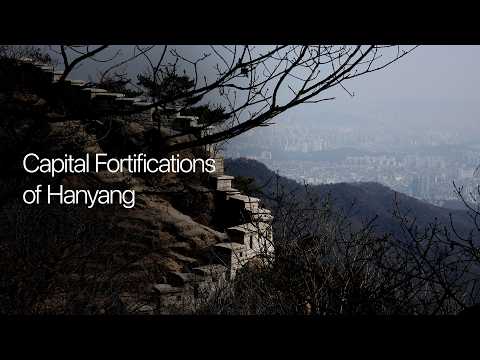
[유네스코 세계유산 잠정목록] ② 한양의 수도성곽 - Capital Fortifications of Hanyang

[유네스코 세계유산 잠정목록] ② 한양의 수도성곽 - Capital Fortifications of Hanyang

제48차 유네스코 세계유산위원회 총회가 오는 7월 대한민국 부산에서 막을 올린다. 코리아넷은 이번 총회의 의미를 되새기며, 한국의 유네스코 세계유산 잠정목록 12곳 중 6곳을 소개한다.

Busan in July hosts the 48th session of the UNESCO World Heritage Committee. To mark this occasion, Korea.net introduces six of the country's 12 tentative candidates for World Heritage status.

1392년 조선이 건국되면서 수도가 개경에서 한양으로 옮겨졌다. 태조 이성계가 선택한 한양은 북한산과 한강 사이의 분지. 산과 강이 어우러진 천혜의 요충지였다. 조선은 북악산, 남산, 낙산, 인왕산 능선을 따라 성곽을 쌓아 도성의 경계와 형상을 확정했다.

When the Joseon Dynasty was founded in 1392 by King Taejo, the capital was relocated from Gaegyeong (now Gaeseong, North Korea) to Hanyang (present-day Seoul). The new site was a basin nestled between Bukhansan Mountain and the Hangang River, a strategic location surrounded by mountains and the river.

The kingdom built a fortress along the ridges of Bukhansan in the north, Namsan Mountain in the south, Naksan Mountain in the east and Inwangsan Mountain in the west to clearly define the boundaries and shape of the capital.

'한양의 수도성곽'은 이처럼 산세 위에 구축된 방어 체계를 아우르는 개념이다. 1396년 한양도성 축조를 시작으로 1711년 북한산성이 완공됐고, 이후 두 성을 연결하는 탕춘대성이 더해지면서 총연장 37.7km에 이르는 대규모 방어망이 형성됐다.

The Capital Fortifications of Hanyang covers the defensive system built on mountainous terrain. Construction of this network began in 1396 and ended with Bukhansanseong Fortress in 1711. The addition of Tangchundaesong Fortress connected the two forts, forming a massive link covering 37.7 km.

 ▲ 14세기에 축조된 한양도성은 조선의 수도 한양을 방어하던 성곽이다. 오늘날에는 서울 도심 속 역사 유산이자 시민과 관광객이 즐겨 찾는 탐방 코스로 자리매김하고 있다. 사진은 한양도성 낙산 구간을 걷고 있는 외국인 관광객들. Hanyangdoseong (Seoul City Wall) Fortress, which was built in the 14th century to defend the capital of the Joseon Dynasty (1392-1910), is today a historical landmark in Seoul and a popular attraction for domestic and foreign tourists. Shown are visitors to the Naksan Mountain section of the structure.

수도 행정과 생활을 감싼 한양도성 - Hanyangdoseong: surrounding capital's administration and life

한양도성은 수도 한양의 경계를 설정하고 외부 침입을 방어하기 위해 축조된 도성 성곽이다. 14세기 후반 처음 축조된 뒤 15세기에 대대적인 개축이 이뤄졌다. 평지에 쌓은 초기 토성 구간은 석성으로 다시 쌓으며 방어 시설을 대폭 보강했다.

Hanyangdoseong (Seoul City Wall) Fortress, which defined the boundaries of the Joseon capital and defended against external invasions, was first built in the late 14th century and underwent major renovations in the 15th. The initial earth walls built on flat ground were later reconstructed with stones, greatly reinforcing the facility's defensive structures.

전체 길이 18.6km 가운데 약 12.8km 구간이 원형 또는 복원된 상태로 이어진다. 문루와 성곽의 원형도 잘 보존돼 조선시대 도성 건축 기술과 도시 문화를 확인할 수 있다.

Measuring a combined 18.6 km long with 12.8 km in its original form or restored, the fortress has well-preserved towers and walls to provide a glimpse into the architectural know-how and urban culture in the Joseon capital.

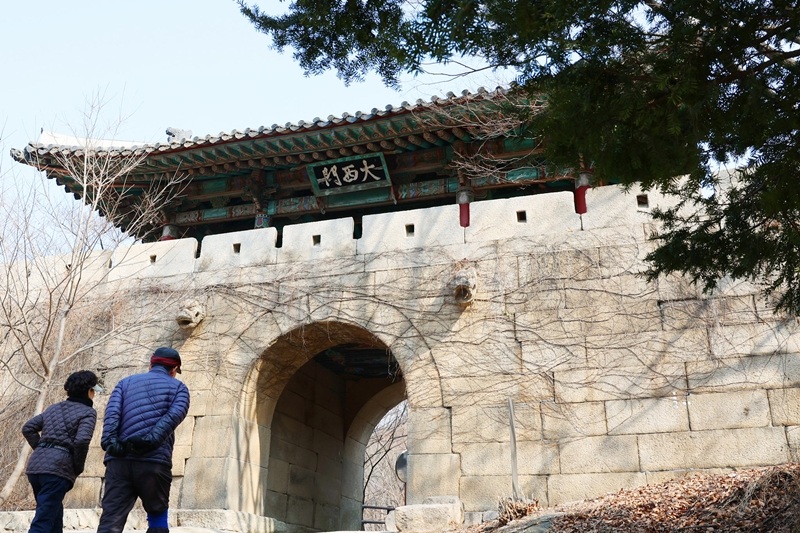
▲ 역사와 일상이 교차하는 북한산성 대서문. 16개 성문 중 해발 고도가 가장 낮은 대서문은 과거 성내 주민이 이용하던 통로였다. 오늘날에는 국내외 탐방객이 찾는 대표적인 등산 코스로 이끄는 관문 역할을 하고 있다. History and daily life intersect at Daeseomun Gate of Bukhansanseong Fortress in Goyang, Gyeonggi-do Province. This gate has the lowest altitude of the structure's 16 and was used by residents as a passageway. Today, this tourist landmark is frequented by locals and foreign tourists and leads to a popular hiking trail.

유사시를 대비한 방어 거점, 북한산성 - Bukhansanseong: stronghold in case of emergency

도성 북쪽에 축조된 북한산성은 유사시를 대비한 핵심 방어 거점이다. 북한산의 여러 험준한 봉우리를 잇는 이 성곽은 총길이 11.6㎞, 내부 면적은 약 5.3㎢에 달하는 산성 요새다. 임진왜란과 병자호란을 거치며 도성 방어의 중요성이 커지자 18세기 초 기존 토성을 석성으로 다시 세워 오늘날의 위용을 갖추게 됐다.

Built north of the capital, Bukhansanseong Fortress was used as a key stronghold in case of emergency. Connecting the rugged peaks of Bukhansan Mountain, the structure stretches 11.6 km and its internal area covers 5.3 square km.

As the capital's defense grew in importance with the Imjin Waeran and Byeongja Horan invasions, the original parts of the fortress built with soil were rebuilt with stone in the early 18th century.

성 안에는 행궁과 군량 창고 등 다양한 군사 시설이 갖춰졌다. 99개의 우물과 26개의 소규모 저수지, 8개의 창고를 설치해 장기전에 대비했다. 유사시 국왕과 백성이 성 안으로 들어와 방어할 수 있도록 설계된 체계적 구조를 보여준다.

Within the fortress were military facilities such as a temporary palace and a military supply warehouse. The installation of 99 wells, 26 small reservoirs and eight storage venues prepared for prolonged warfare.

The systematic structure allowed the king and the people to enter and defend the capital in case of emergency.

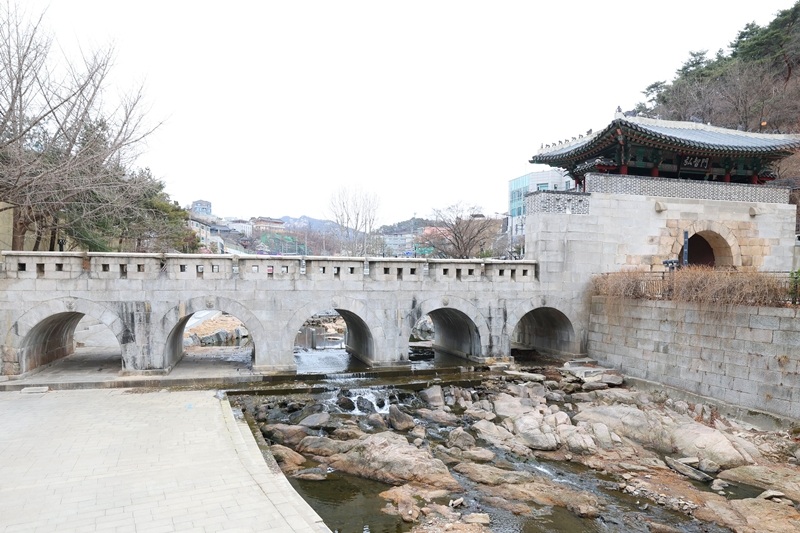
▲ 홍지문은 탕춘대성의 성문이다. 1921년 홍수로 홍지문과 오간수문이 붕괴됐으나 1977년 탕춘대성 정비 사업과 함께 복원됐다. This is Hongjimun Gate of Tangchundaeseong Fortress in Seoul's Jongno-gu District. This gate and the five-arch floodgate Ogansumun collapsed in 1921 due to a flood but were restored in 1977.

방어 체계를 완성한 연결 성곽, 탕춘대성 - Tangchundaeseong: connected fortress completing defense system

탕춘대성은 인왕산에서 북한산으로 이어지는 능선을 따라 한양도성과 북한산성 사이에 조성된 연결 성곽이다. 약 4km 길이의 이 구간은 적의 공격을 분산시키고, 도성민이 안전하게 북한산성으로 대피할 수 있도록 설계됐다.

Tangchundaeseong Fortress was a connecting wall built between Hanyangdoseong and Bukhansanseong along the ridge from Inwangsan Mountain to Bukhansan Mountain. Around 4 km long, it was designed to repel enemy attacks and allow residents to evacuate to Bukhansanseong.

성곽은 서부 방어선을 강화하는 동시에 두 성곽 간 군량과 병력을 보급하는 통로로 기능했다. 도성 방어가 어려워질 땐 조정과 백성이 북한산성으로 이동하는 전략적 연결축으로 작용했다.

Tangchundaeseong boosted the western defensive line and served as a route for military supplies and troops between Hanyangdoseong and Bukhansanseong. When defense of the capital proved difficult, it acted as a strategic link for the royal court and people to relocate to Bukhansanseong.

이로써 조선 후기 한양의 방어 체계는 평지의 도성과 산악 지역의 산성, 그리고 이를 연결하는 축이 유기적으로 결합한 조선만의 입체적인 수도성곽 체계가 완성됐다.

This completed the capital's defense in the late Joseon period as a distinctive three-dimensional fortification system integrating the capital on the plains, fortresses in the mountains and the axis linking them.

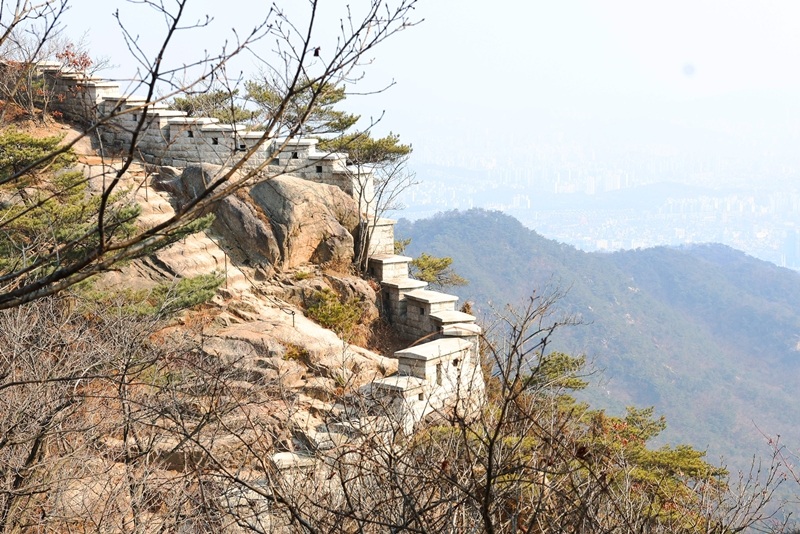
▲ 북한산성에서 바라본 서울 도심 전경. Seoul landscape as seen from Bukhansanseong Fortress. ▲ 북한산성에서 바라본 서울 도심 전경. Seoul landscape as seen from Bukhansanseong Fortress.

'한양의 수도성곽'은 특정 시기에 완성된 단절된 건축물이 아니다. 14세기 말부터 18세기 초에 이르기까지 단계적으로 구축된 방어 체계다. 성벽 곳곳에 남은 서로 다른 모양의 돌들은 당시 축성 기술과 시대적 절박함을 고스란히 간직하고 있다.

The Capital Fortifications of Hanyang are not a single structure completed at a specific time but a defensive system built in stages from the late 14th to early 18th century. Stones of varying shapes remain throughout the walls, reflecting the fortification techniques and urgency of the time.

특히 산 지형을 최대한 활용하는 동북아시아 포곡식 성곽 축성 전통을 창의적으로 계승하고 한반도 수도성곽 발전 과정을 잘 드러낸다는 점에서 그 가치가 높다.

The structures have high value in creatively passing on the Northeast Asian tradition of maximizing mountainous terrain to build valley fortresses and reflecting the development of capital defense on the Korean Peninsula.

서울·고양 = 테레시아 마가렛 기자 margareth@korea.kr
사진 = 이정우 기자 b1614409@korea.kr
영상 = 박대진 기자 pacdaejin@korea.kr

By Margareth Theresia
Photos = Lee Jeongwoo
Video = Park Dae Jin